Thailand has brought Israel Weapon Industries’ (IWI) Arbel counter-unmanned aerial system (C-UAS) into operational service, marking the system’s debut in Southeast Asia.
IWI completed delivery and on-site retrofitting of the system to the country’s existing M4 service rifles earlier this year, replacing the weapons’ lower receiver assemblies, according to Janes.
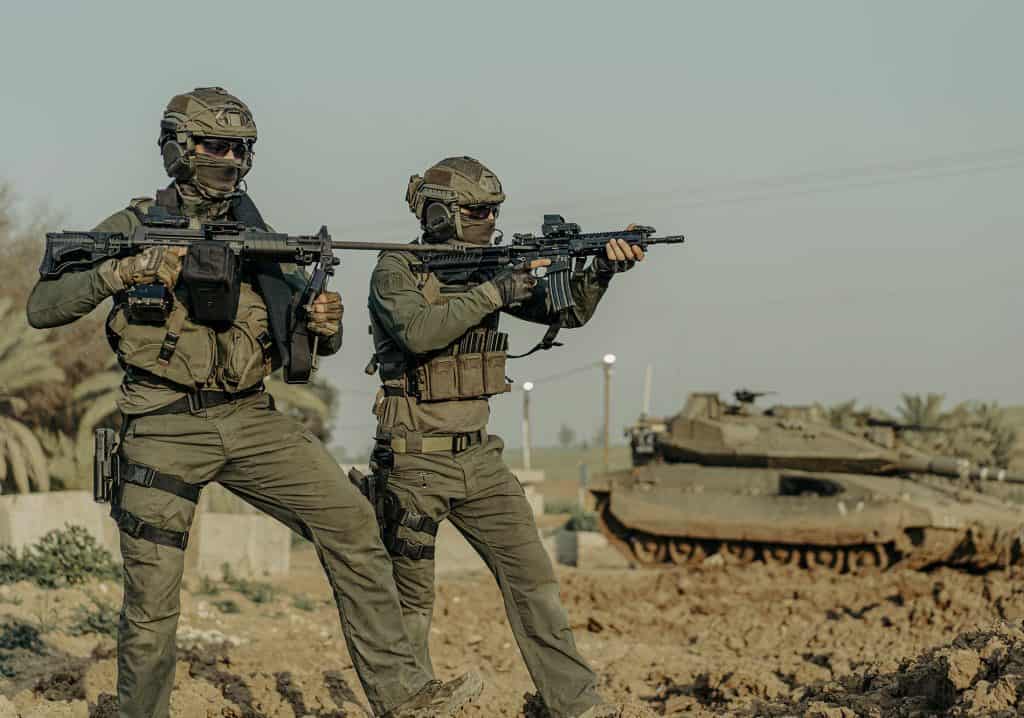
The plug-and-play modification allows soldiers to retain their standard 5.56mm rifles and optics while gaining automated fire-control capabilities for engaging aerial threats in day and night conditions.
“Small tactical drones have become a direct and growing threat to soldiers on the battlefield,” Ronen Hamudot, vice chairman of IWI parent company SK Group, told Defence Blog.
“We developed the ARBEL ADS to give soldiers an effective means of defending themselves against this evolving threat, while providing armed forces with a critical tactical advantage.”
Thai officials are negotiating a follow-on order with IWI as other Southeast Asian militaries evaluate the C-UAS solution.
Trigger-Based Lethality
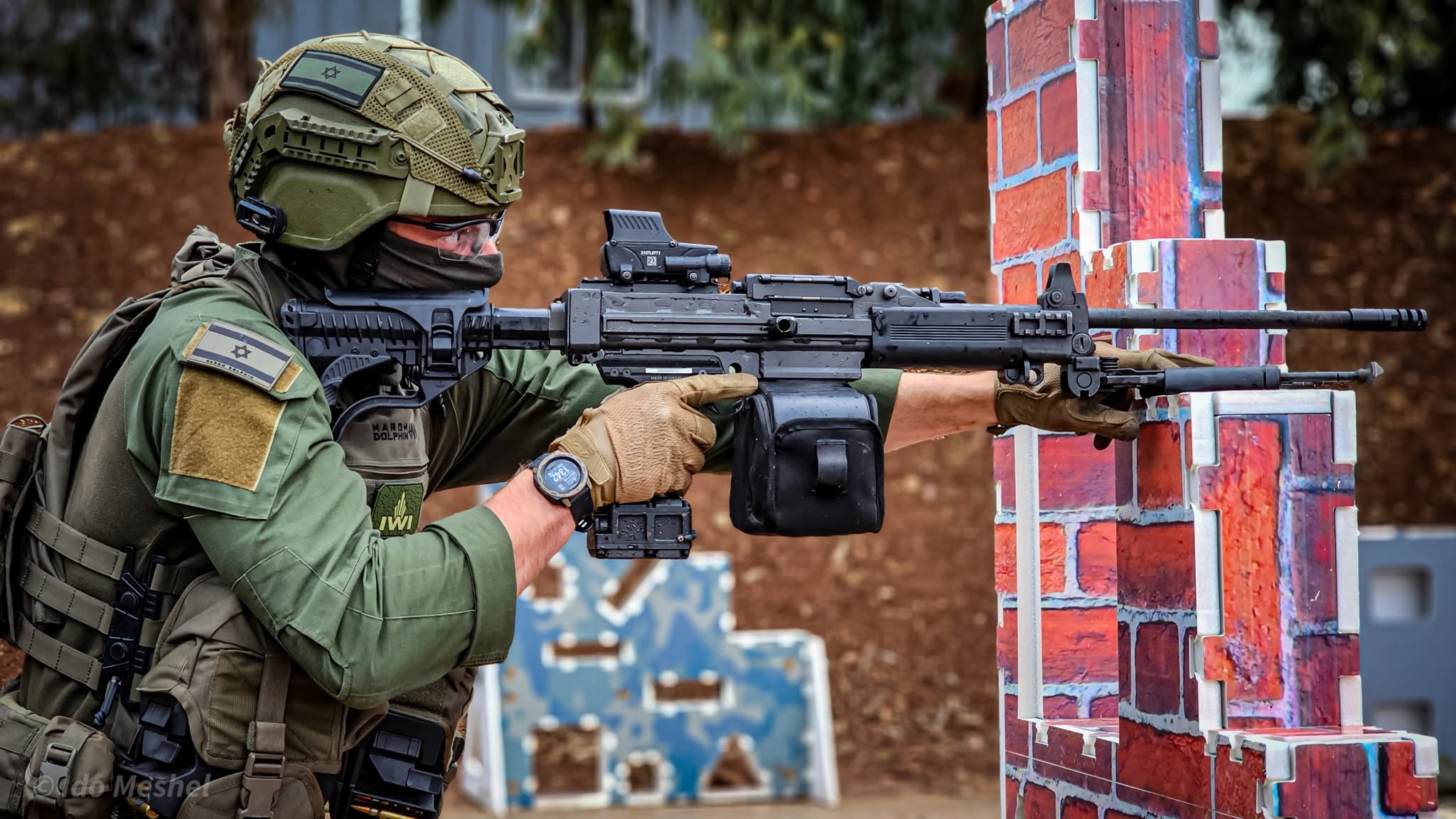
IWI’s Arbel system functions as a computerized trigger-control mechanism designed to improve soldiers’ ability to engage small, fast-moving aerial targets, including first-person-view attack drones, using their existing weapons.
When the shooter holds the trigger, the first round fires mechanically. The system then regulates subsequent shots to improve hit probability against moving targets.
Arbel is compatible with standard 5.56x45mm NATO ammunition and has a reported engagement range of up to 350 meters (1,148 feet). A field-replaceable Li-Ion battery provides up to 50 hours of operational endurance.
The system only adds 400 grams (14 ounces) to a rifle and 900 grams (32 ounces) to a light machine gun.