The UK Royal Navy’s Wildcat helicopter crews have trained alongside unmanned aerial systems during the three-week Tamber Shield exercise in Norway’s fjords, focused on countering high-speed littoral threats.
Held near Bergen under the UK-led Joint Expeditionary Force, the drills involved Wildcats from 815 Naval Air Squadron, equipped with Martlet surface-to-air missiles and Sting Ray torpedoes, alongside Puma remotely-piloted aircraft.
Drone Support Against Multi-Domain Hostilities
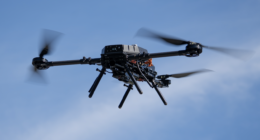
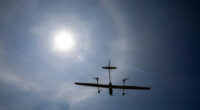
During the exercise, Puma conducted forward scouting missions, relaying targeting data back to Wildcat crews.
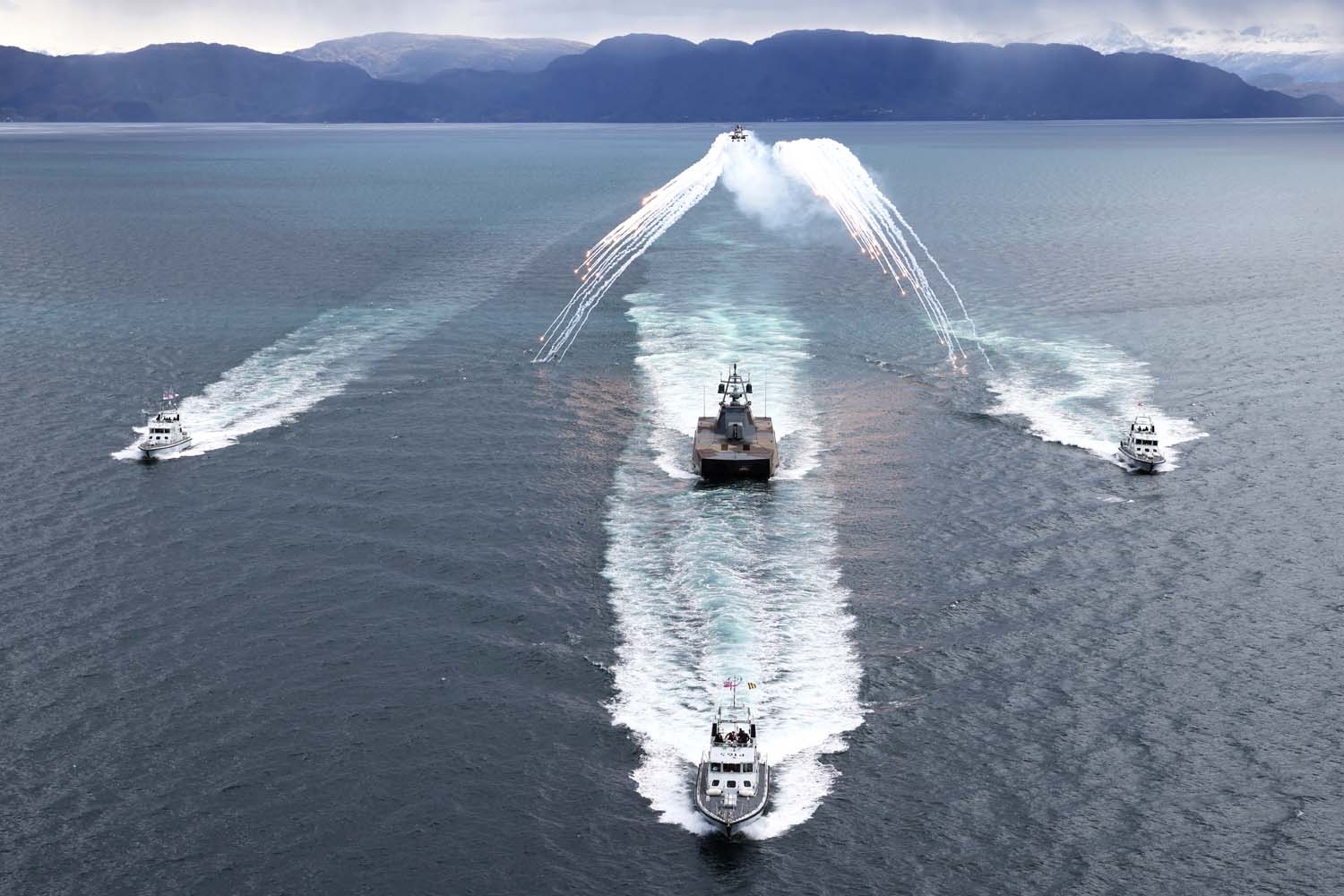
Opposing forces included Royal Air Force electronic warfare specialists from Cumbria, simulating infrared and radar-guided missile attacks. This allowed helicopter crews to practice evasive maneuvers while deploying live airborne countermeasures.
At sea, P2000-class patrol vessels HMS Archer (P264), HMS Biter (P270), and HMS Example (P165) acted as fast-attack adversary craft, maintaining pressure in the surface environment.
Royal Navy personnel said the exercise provided “valuable and interesting experience,“ adding that it delivered key insights into coastal missions.
“Tamber Shield has been extremely beneficial,” said Lt. Hal Wotton of 815 Naval Air Squadron.
“It’s allowed us to refine our tactical development, using the challenging environment of the fjords to simulate realistic threat scenarios.”