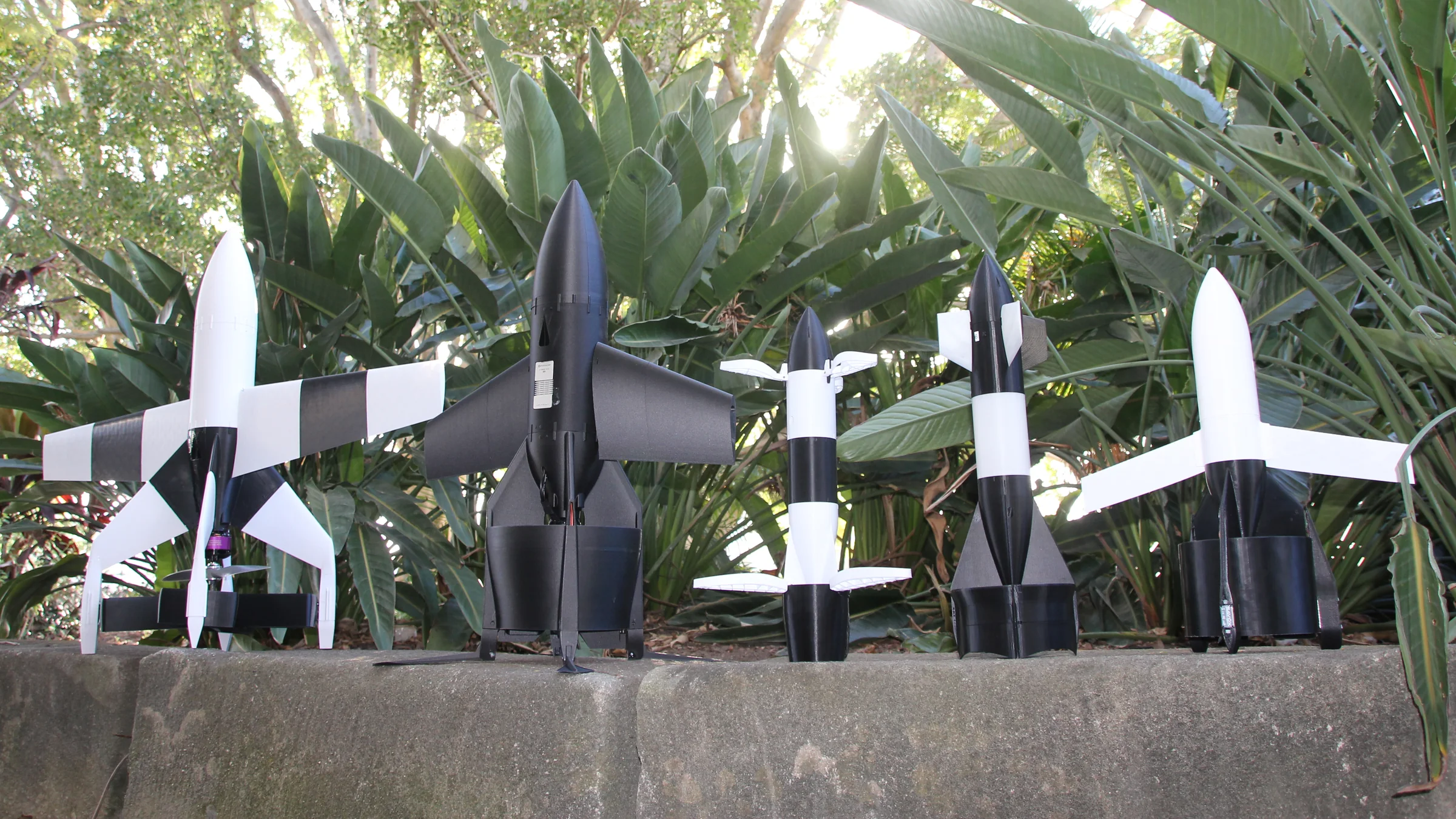
US defense contractor MAG Aerospace has partnered with Australian tech firm Rocket Fast Drones to advance tube-launched, 3D-printable unmanned aerial systems (UAS) for counter-drone operations, intelligence gathering, electronic warfare, and strike missions.
The collaboration pairs MAG’s systems integration expertise with Rocket Fast Drones’ existing family of autonomous vertical takeoff and landing aircraft.
The systems range from 90 to 450 millimeters (4 to18 inches) in diameter, reach speeds of up to 155 miles (249 kilometers) per hour, and can travel for up to 40 nautical miles (46 miles/74 kilometers).
Each UAS can carry payloads of up to 2.2 pounds (1 kilogram) and operate autonomously even in jammed airspaces.
Their swarming capability also allows commanders to coordinate massed aerial or ground effects.
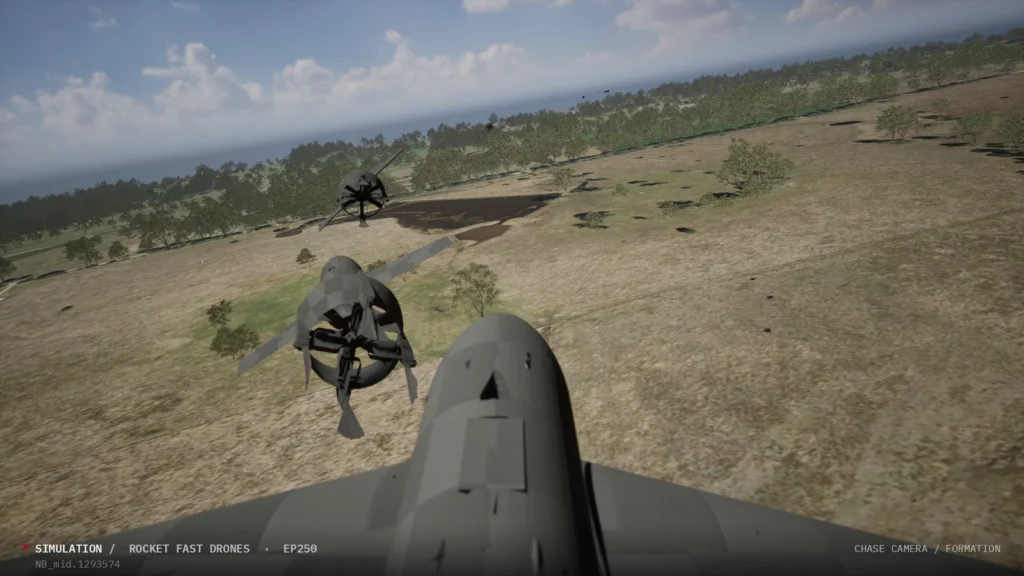
A central element of the partnership is the ability to 3D-print and assemble nearly the entire aircraft line in the field. This could give troops access to affordable, attritable platforms in high-threat environments without relying entirely on conventional manufacturing and supply chains.
“MAG brings deep operational experience, systems integration capability and established relationships across the US Defence market,” said Joni Sytsma, CEO of Rocket Fast Drones.
“Combined with our rapidly scalable, high-performance unmanned aircraft platform, this partnership creates a strong pathway to deliver adaptable capability quickly and at a cost that enables scale.”
Middle East Conflicts Highlight Counter-Drone Gaps
The companies said the agreement addresses vulnerabilities exposed in recent Middle East conflicts, where forces have faced a cost imbalance between inexpensive enemy drones and the costly systems used to counter them.
MAG recently showcased four flight-tested drone models at the Association of the US Army’s annual conference in Washington, targeting potential military customers across American defense markets.
“The conflict in Iran clearly illustrated a substantial gap in unmanned aircraft technology,” said Matt Jessup, chief engineer at MAG Aerospace.
“The United States and our allies expended hundreds of millions of dollars in novel counter UAS and offensive strike weapons systems to defeat cheap Iranian unmanned aircraft.”