The US Department of Defense is expanding its use of unmanned surface vessels (USVs) into the Gulf of Mexico after a pilot program along the Rio Grande detected and deterred illicit maritime activity.
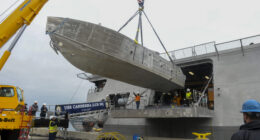
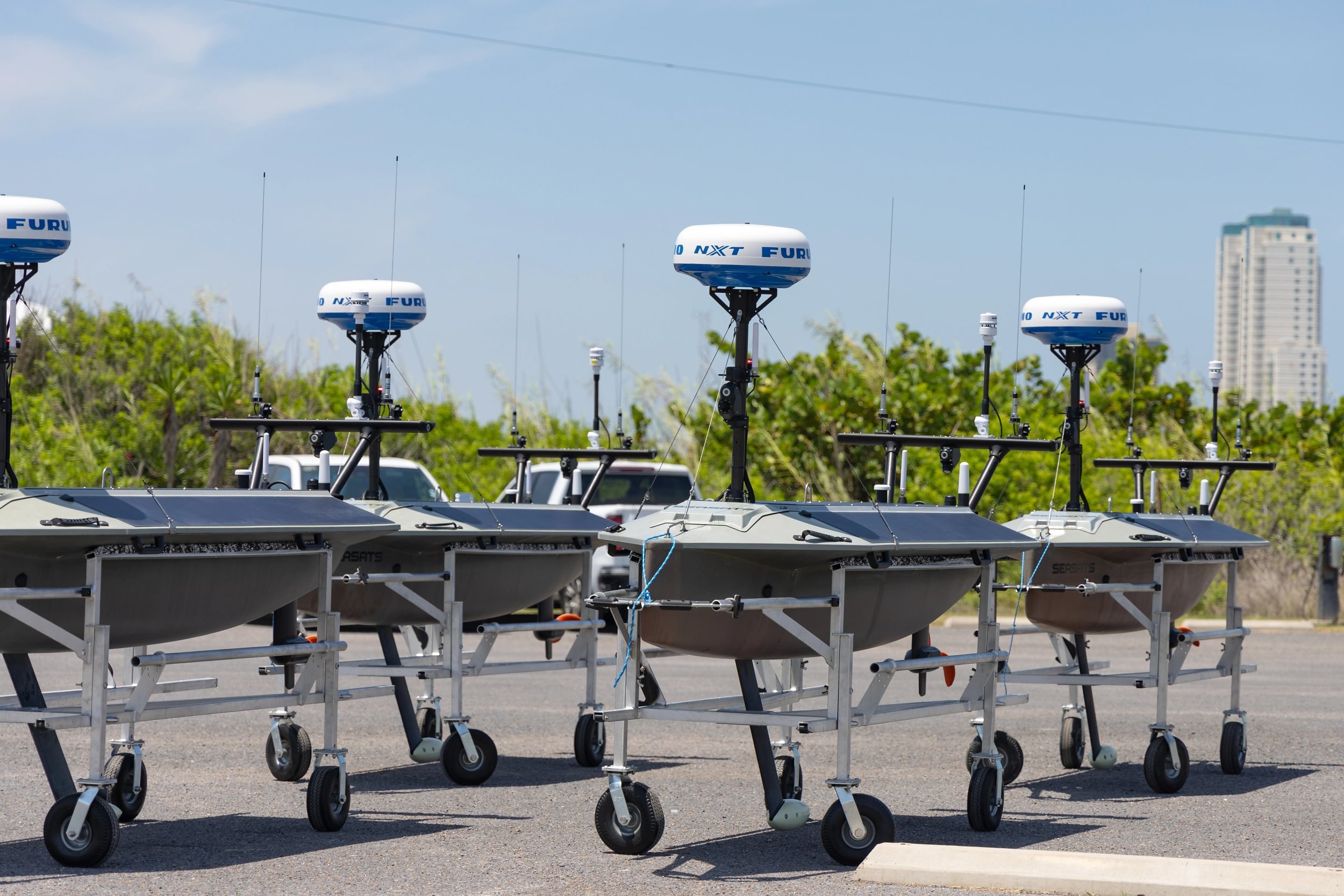
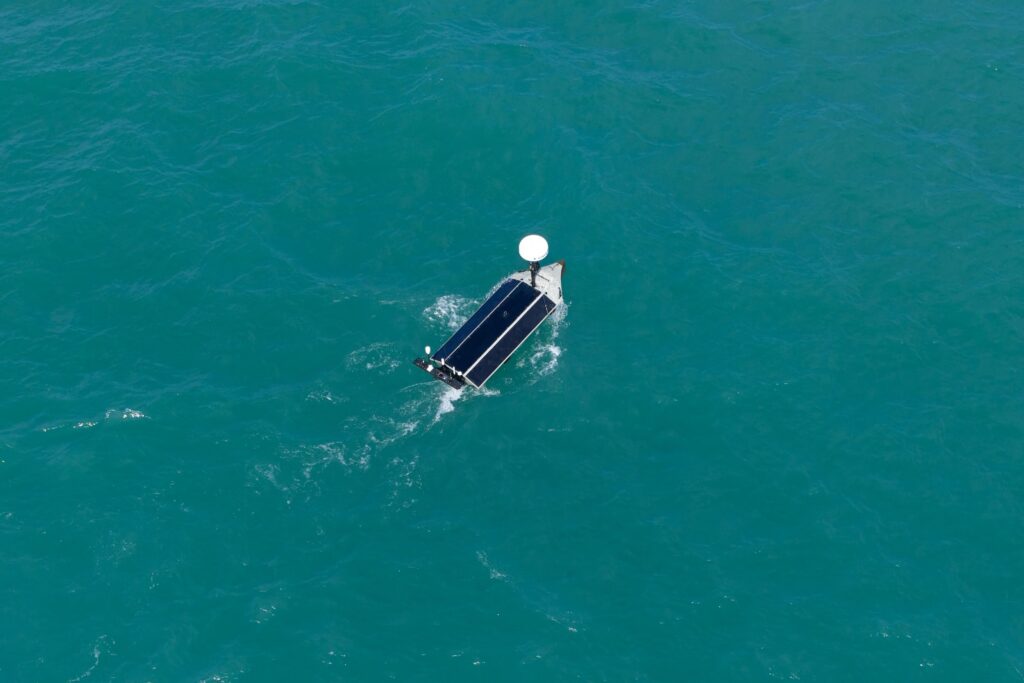
Under the strategy, a fleet of 11-foot (3-meter) Lightfish autonomous craft built by California-based Seasats will conduct persistent surveillance to help detect illegal border crossings and drug trafficking.
The solar-powered, 340-pound (154-kilogram) USVs can remain on station for extended periods, transmitting real-time sensor data to military networks to alert the US Coast Guard and Customs and Border Protection.
Up to 50 Boats Expected
Initial Pentagon data shows that the $240,000 Lightfish USV contributed to 452 detections, 350 apprehensions, and 100 turnbacks in one month.
Officials plan to expand the fleet from 10 vessels to as many as 50 across the region, using the autonomous craft to extend surveillance coverage and reduce pressure on aging cutters and crewed aircraft, according to Reuters.
“The Gulf is too vast to monitor with crewed hulls alone,” Seasats CEO Mike Flanigan stated.
“Traditional patrols burn fuel, have high hourly costs, and can only stay out as long as the people on board. A Lightfish is solar powered and has no one aboard, so it can hold station for months.”
Road to Full Border Control
The deployment marks a shift toward low-cost autonomous technology for homeland defense as cartels move operations into littoral waters.
The Pentagon is now studying further expansion of autonomous surveillance into the Pacific Ocean near San Diego following the Gulf tests.
“The rapid pace of commercial innovation presents a tremendous opportunity for our Homeland Defense mission,” said Mark Ditlevson, assistant secretary of defense for Homeland Defense and Americas Security Affairs.
“By partnering with industry to rapidly prototype and field mature, scalable technologies, we can close critical capability gaps and deliver relevant solutions into the hands of our warfighters. This is all part of our efforts to gain 100 percent operational control of our borders.”