Norway has begun operating its first dedicated drone defense system, which can detect, identify, and neutralize targets all on its own.
The “Counter-Unmanned Aerial System” (C-UAS) is deployed at an air base located near Trondheim, where the Royal Norwegian Air Force is also expected to station new F-35 fighter jets.
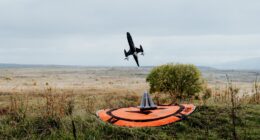
Images show a HAL10 launcher from UK-firm ISS Aerospace integrated into C-UAS, which can deploy 10 effectors or other counter-drone assets in quick succession.
State-owned media NRK stated the C-UAS system intends to protect military bases and other critical sites against Class 1 drone threats weighing up to 150 kilograms (331 pounds).
It is intended as a direct answer to increased reports of drone sightings in Europe, some of which have led to the closure of airports in Denmark and Norway for several hours, severely disrupting operations.
“Because small drones have become readily available, they … can potentially cause great damage to vulnerable and expensive systems such as aircraft that are in the open,” said Lars Peder Haga, associate professor at the Norwegian Air Force Academy.
“This is something we have been aware of for a very long time, but [the drone sightings have] clearly made it more close and relevant.”
Deployment to Other Sites
The C-UAS will gradually be deployed to other locations over time, including a separate military air base in the northern Norway region of Evenes.
The Evenes site is responsible for reinforcing the country’s quick reaction awareness initiative, which involves rapidly defending Norwegian airspace from unknown aircraft threats.
While specific procurement details have not been disclosed, Ministry of Defence Senior Communications Adviser Per Erlien Dalløkken said the C-UAS will be integrated with new sensors and effectors when deployed to a location with different mission requirements.