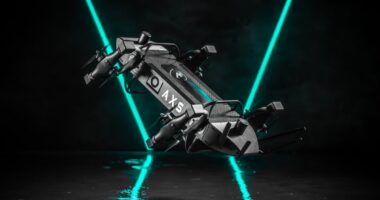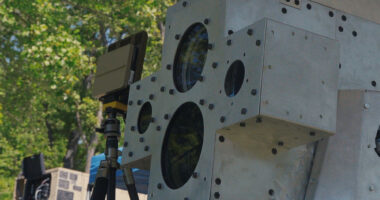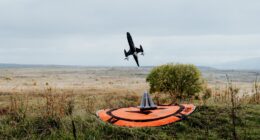
Ukraine has put DESNA into service, a new air defense system built by Norway’s Kongsberg that pairs low-cost Ukrainian missiles with Norwegian fire control to shoot down Russian drones.
DESNA is a ground-based surface-to-air missile system. It connects Ukrainian-made missiles and launchers to Kongsberg’s fire command and control center, the same family of technology behind the NASAMS air defense system that Ukraine has operated since 2022.
Kongsberg developed it with an unnamed Ukrainian industry partner, with support from Norwegian and Ukrainian authorities, and named it after a river in Ukraine.
Norway paid for the systems. Defense Minister Tore O. Sandvik said Norway has bought and donated several DESNA systems to Ukraine in recent months, though neither government nor Kongsberg gave an exact number or a cost.
Sandvik said the systems are already in use and helping protect Ukraine against Russian drones.
The appeal is cost and volume. Norwegian officials said the Ukrainian missiles used in DESNA are cheaper than traditional interceptors and can be produced in large numbers, while Kongsberg described the system as a supplement to NASAMS that adds capacity against drones.
Oslo Talks
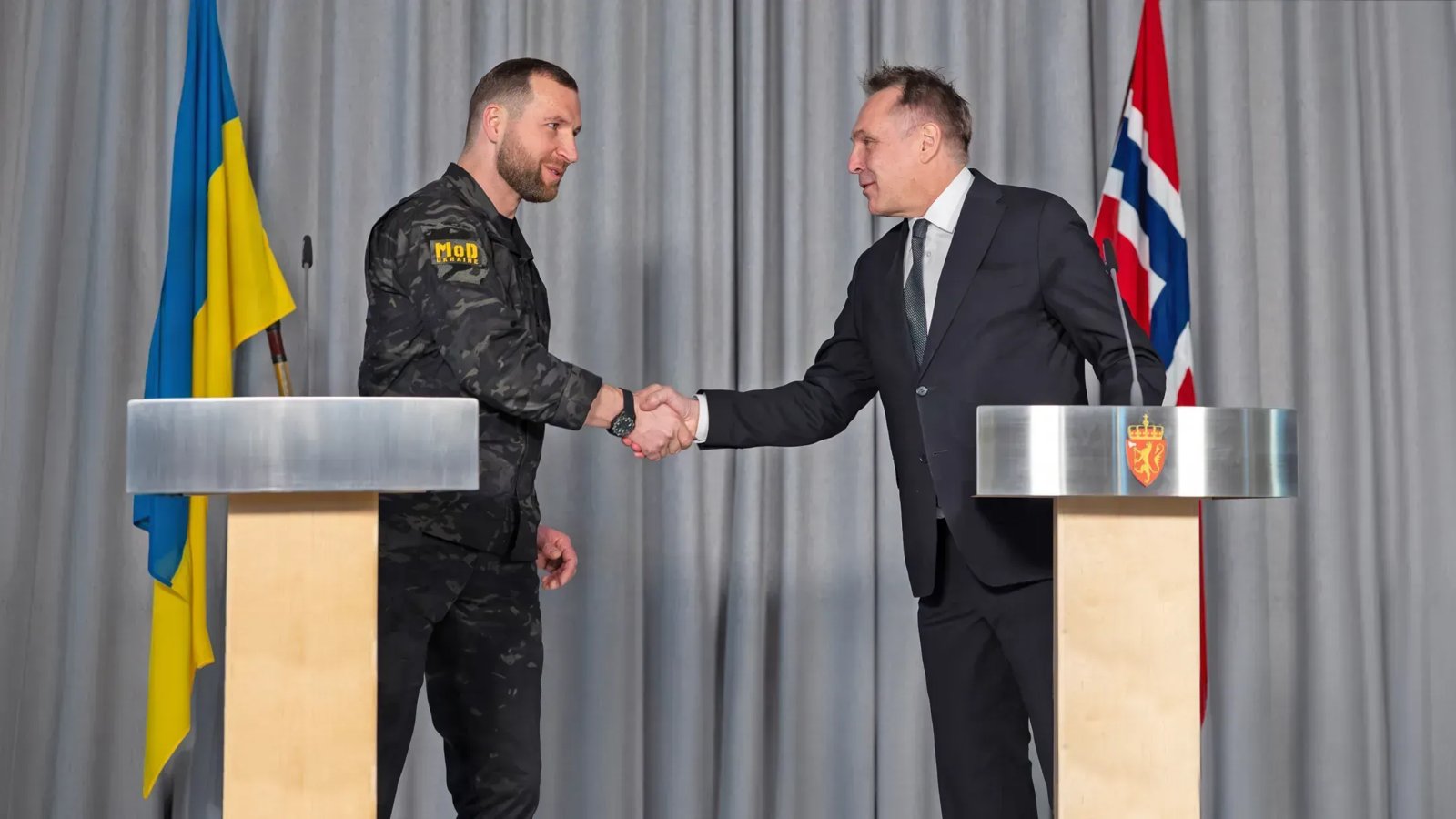
The announcement came as Sandvik hosted Ukrainian Defense Minister Evgeniy Khmara in Oslo. Ukraine’s defense ministry said the two sides discussed supplying interceptor missiles, a project to integrate various types of missiles into Ukraine’s NASAMS systems, and additional combat aircraft.
They also signed an agreement allowing Norway’s armed forces to test and adopt DELTA, Ukraine’s battle management system, which Khmara said does not involve transferring Ukrainian combat or operational data.
The effort widens Kongsberg’s industrial footprint in Ukraine, where it signed a deal in June with Ukrainian developer DevDroid to arm ground robots for combat.
Kyiv has been seeking cheaper ways to counter Russia’s long-range drone attacks, including newer jet-powered types such as the Geran-5 that Ukrainian gunners said they downed with an RBS 70, while other European countries continue to buy Kongsberg’s NASAMS, including Belgium’s $1 billion NASAMS purchase.
Norway’s government said it is now working to expand the DESNA project so that larger areas of Ukraine can receive air defense coverage.
Ukraine’s defense ministry said Norway’s bilateral aid will total at least $7 billion in 2027, focused primarily on air defense and unmanned systems.