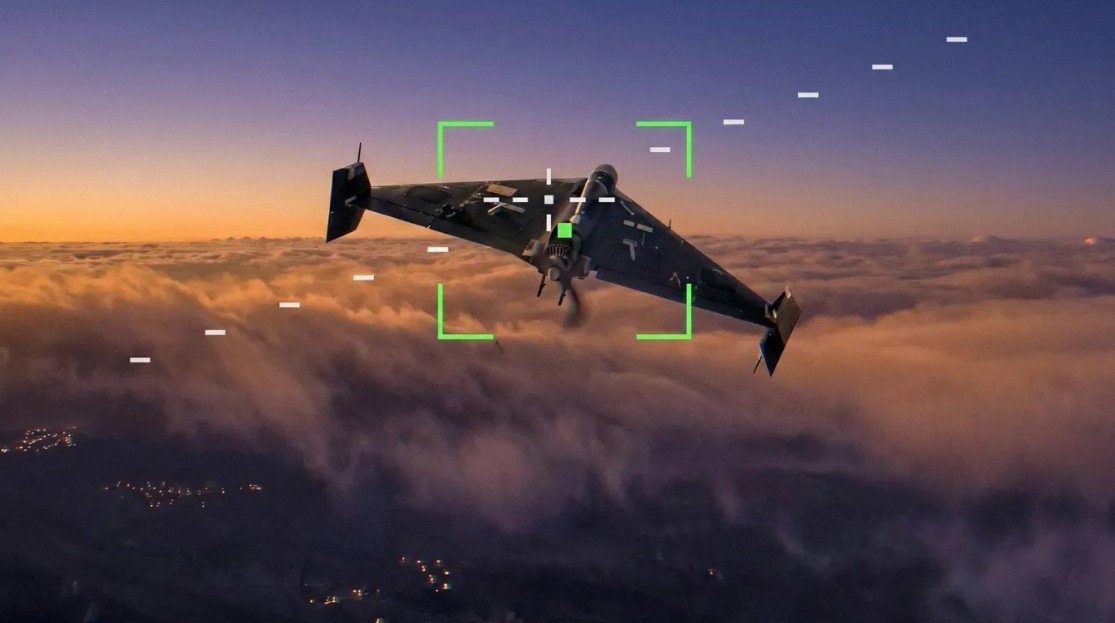
Ukrainian President Volodymyr Zelensky has told the BBC that restrictions on SpaceX’s Starshield satellite service remain in place over Russian-occupied areas, a limit Kyiv says is letting Russian Shahed drones escape its interceptor drones.
Zelensky confirmed in the interview that both Starlink and its military version, Starshield, were still being restricted in occupied areas of Ukraine.
Ukrainian drone units told the broadcaster that their interceptor drones can no longer catch up with Russian Shaheds, which then fly deeper into Ukraine unhindered.
Asked whose decision the restrictions were, Zelensky said they were technically SpaceX’s, but that he did not know who was responsible politically.
“It’s like… ping pong. We are asking one side, they say it’s the other,” he said.
Zelensky also said Ukraine’s military now destroys about 70 percent of Russia’s fastest drones, a figure he said was improving.
Interceptors Losing the Link
Zelensky has linked the restrictions to failed intercepts before, writing on Telegram on November 15 that Ukrainian interceptor drones lose their connection with operators at 161 kilometers (100 miles) per hour and cannot catch Russia’s jet-powered Shaheds.
In the same post, he said many Shahed strikes on Ukrainian electrical substations were getting through because of speed restrictions on Starshield terminals along the front line and in occupied territories.
Starshield is the military version of SpaceX’s Starlink satellite network.
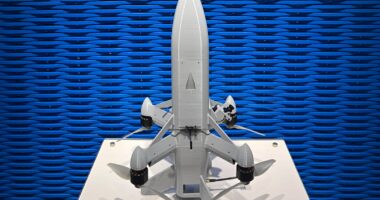
Ukrainian developers have been building faster interceptors to keep up, including the Zorelit v5 jet-powered interceptor that Vluchnyk unveiled in September with a rated top speed of 416 km/h (258 mph).
The Ukrainian claims about the restrictions and their effect on intercepts could not be independently verified.
Zelensky said on November 15 that he had instructed Ukraine’s foreign and defense ministries and his office to work closely with the US side and SpaceX, and that Kyiv expects the restrictions to be lifted.