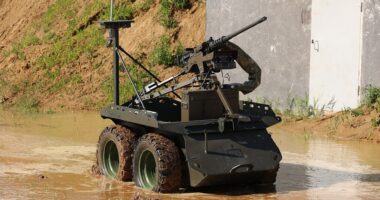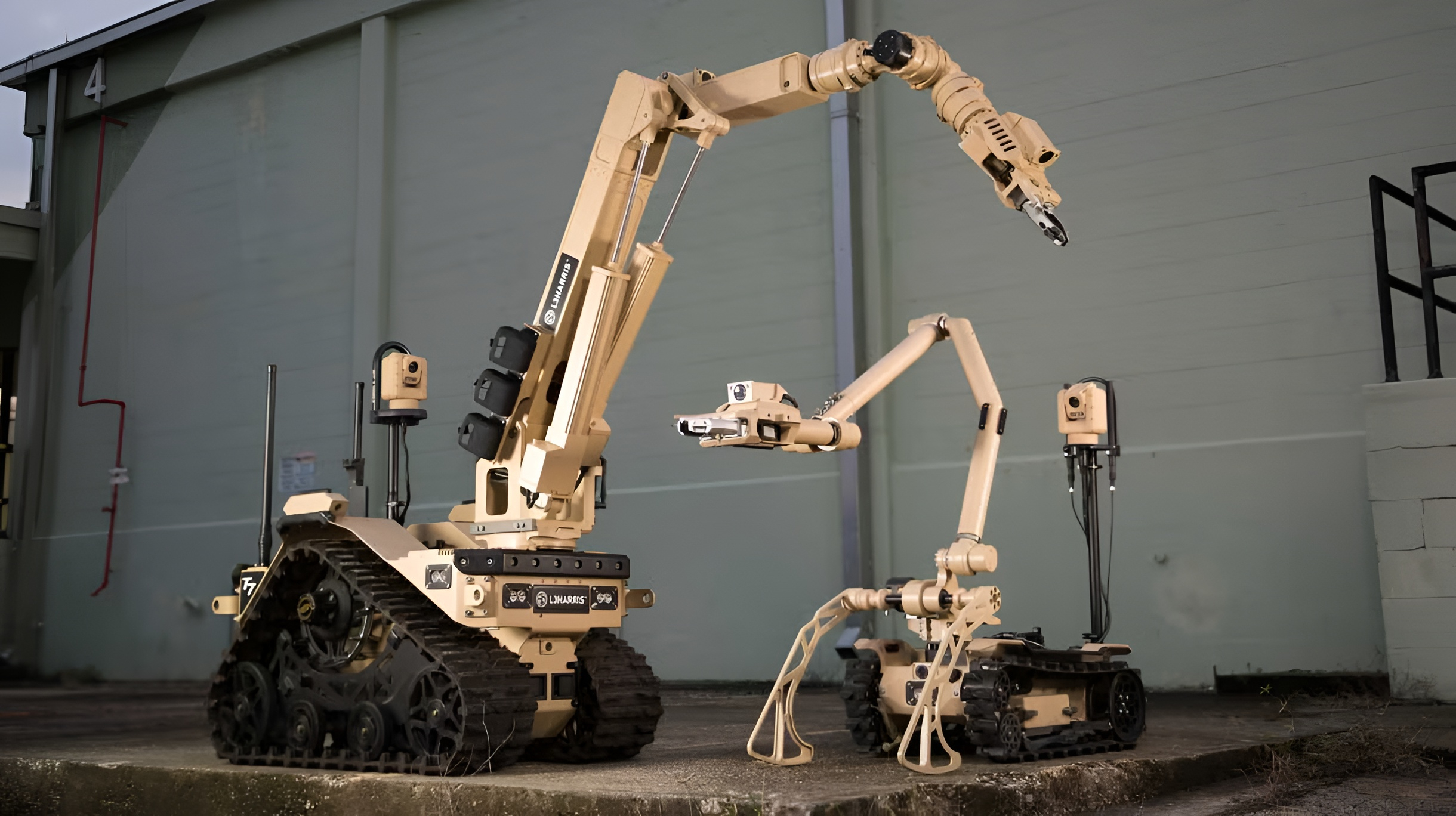
L3Harris Technologies has delivered its T4 and T7 multi-mission robotic systems to the Australian Defence Force (ADF), giving troops new tools to handle missions too dangerous for human personnel.
Described as “life-saving” systems, the unmanned ground vehicles (UGVs) are built for high-risk operations ranging from explosive ordnance disposal to hazardous material handling.
The delivery gives ADF personnel the ability to investigate and engage threats while reducing direct exposure to danger.
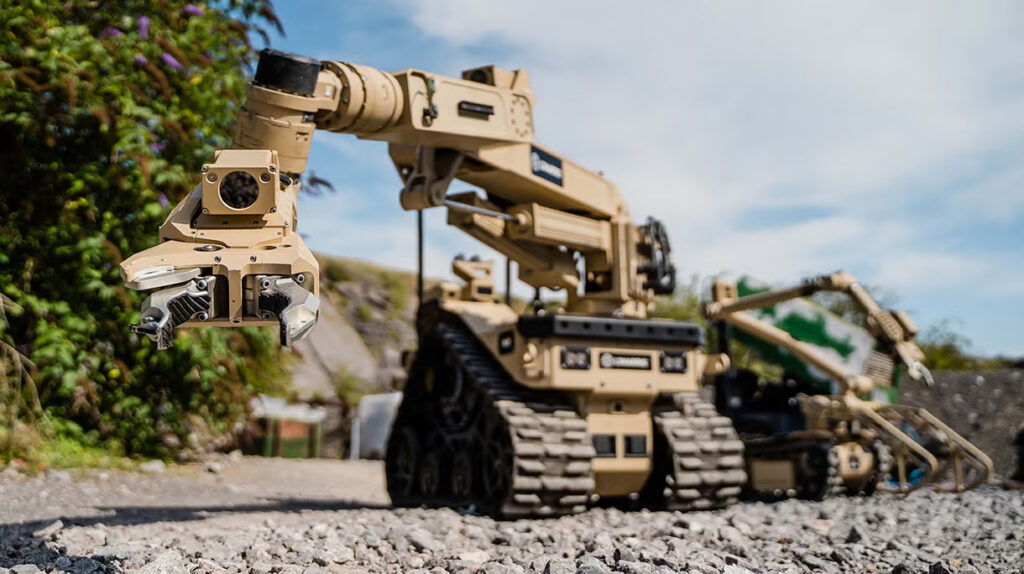
ADF operators have reportedly completed training on the platforms and are preparing for real-world deployment.
“Simply put, these robots save lives,” said Ian Charles, managing director of Global Spectrum Superiority Australia at L3Harris.
“When an ADF operator uses one of these systems to investigate a suspicious device or clear a dangerous route, they’re better protected from potential harm.”
Getting to Know the Robots
The T4 features haptic feedback technology that allows operators to feel what the robotic arm is touching, a capability L3Harris said is a first for medium-sized robots.
The system enables soldiers to carry out delicate manipulation tasks, including unzipping bags containing toxic materials and opening sensitive containers, while remaining at a safe distance.
The T4 is also designed to mirror a soldier’s hand movements, reducing training demands and improving operational ease.
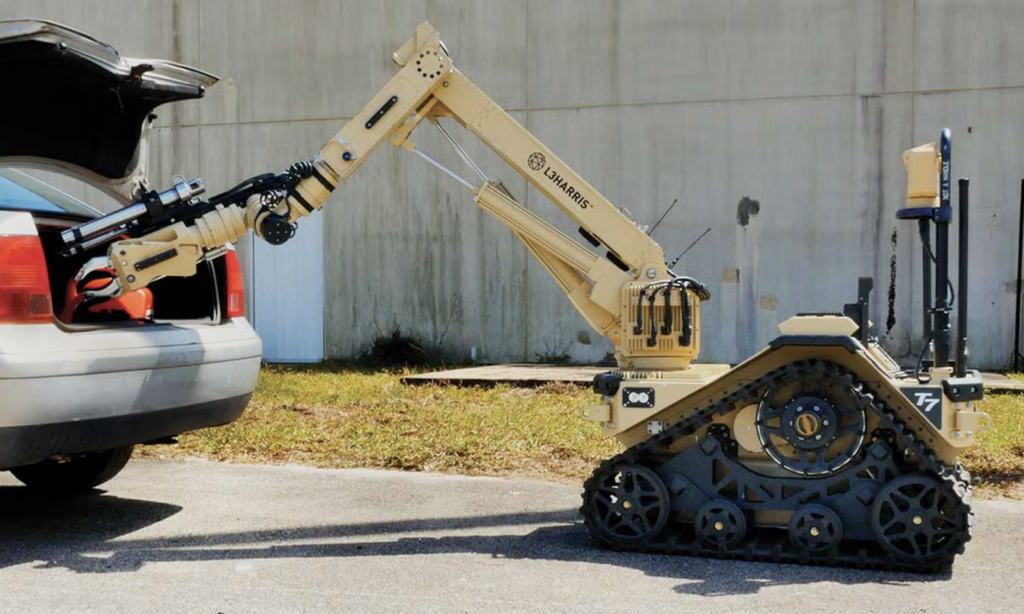
Meanwhile, the larger T7 delivers high precision and human-like dexterity, making it particularly suited for handling vehicle-based improvised explosive devices.
It also features an intuitive control interface intended to simplify operations, contributing to a rugged platform already used by military forces in the UK, US, and Australia.