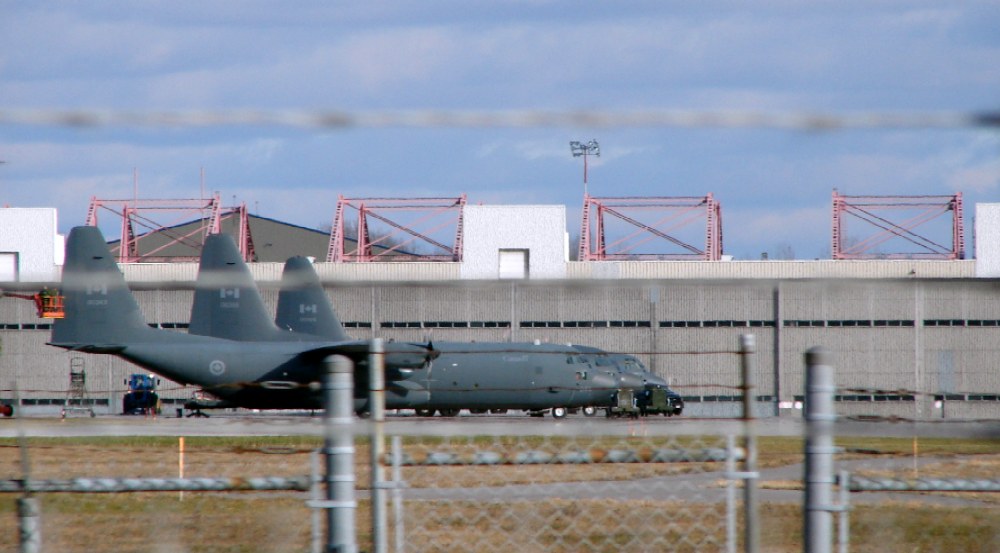
A counter-drone system at Canadian Forces Base Trenton, home to Canada’s CC-177 transport jets, failed to detect an unauthorized drone in September 2025, air force reports show.
The reports, obtained by CTV News through an access to information request, describe seven drone sightings at Trenton in Ontario and Cold Lake in Alberta in 2024 and 2025.
In none of the cases was there an attempt to intercept the drone, and no operator was identified.
The records detail gaps in drone detection at two of Canada’s main air bases as Ottawa moves to buy counter-drone protection for defense sites nationwide and proposes new funding for drone and counter-drone capabilities.
A September 2024 report from Trenton said the base was about to receive a detection-only counter-drone system and cited legal hurdles to systems that could destroy, neutralize, or take control of a drone.
The reports say the system became operational in March 2025. When a camera-equipped drone flew over the runway on September 17, 2025, the system was offline for a planned power outage.
On September 22, another drone was spotted and the “counter UAS system did not detect the drone,” a report said.
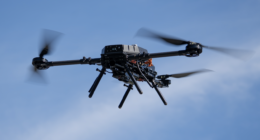
Four reports from Cold Lake, home to a large part of Canada’s CF-18 fleet, describe personnel spotting drones in restricted airspace, including a small white drone carrying a black tube that appeared twice within four days in September 2025.
The most recent of those reports state the base had no means of tracking small drones.
The Department of National Defence declined to comment on the cases or its counter-drone measures, citing operational and security reasons. “C-UAS capabilities are a critical consideration in modern security and defence planning,” a department spokesperson said.
Public Services and Procurement Canada issued a notice for a Counter-Uncrewed Aerial System National Array seeking a capability to protect personnel, infrastructure, equipment, and operations at defense establishments across Canada.
It is to be delivered as a service, with the contractor responsible for design, installation, integration, testing, maintenance, and modernization. The notice closed on August 11.
Canada’s domestic options are also limited by law.
The Radiocommunication Act broadly bans jammers, with exceptions for the military, which has left Canadian drone makers seeking foreign sites for electronic warfare tests.
In the United States, a senior NORAD and NORTHCOM officer warned in August that homeland defenses are ill-equipped for drone attacks launched from inside the country, while the UK has recorded a rise in drone activity around military bases.
The federal budget released November 5 proposes 2.3 billion Canadian dollars ($1.6 billion) over five years, starting in 2027-28, for the Defence Drone Initiative to accelerate the purchase and deployment of uncrewed and counter-uncrewed capabilities.