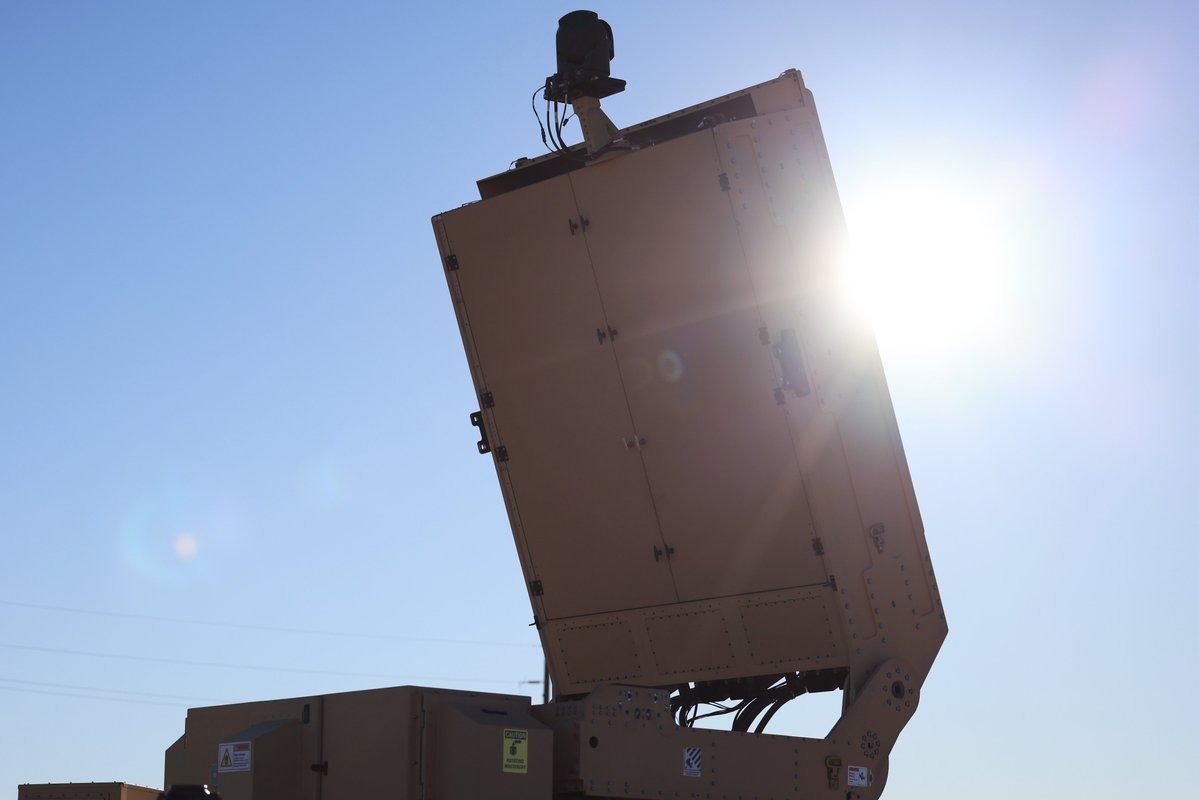
Epirus has integrated its Leonidas high-power microwave weapon into the US Army’s broader command-and-control (C2) network, enabling the counter-drone system to work within a wider defense architecture against uncrewed aerial threats.
The integration was achieved during the service’s Operation Jailbreak Falcon Fury, an effort to make its systems interoperable with a range of counter-drone solutions.
Unlike conventional guns or missiles, Leonidas fires bursts of microwave energy that disrupt drones’ internal electronics, potentially disabling their navigation, communications, and motors.
Its broad microwave beam can engage multiple drones in close proximity, offering a way to counter groups of aerial threats with a single system.
Connecting Leonidas to the army’s C2 network moves the weapon beyond standalone operation, allowing it to contribute to a layered counter-drone defense alongside other sensors and effectors.
“As threats get more complex, interoperability gives operators the agility to pick the right tool and react fast,” Epirus stated on social media.
New Variant in the Works
Although Epirus did not disclose further details about the US Army integration, the California-based company said it is also developing a mobile variant of the microwave weapon, dubbed Leonidas GV, in partnership with General Dynamics Land Systems.
The system is envisioned to deliver high-power microwave defense while on the move.
“No single system can counter every UAS threat. Effective defense requires sensors, C2, and multiple effectors working together,” the company stated.