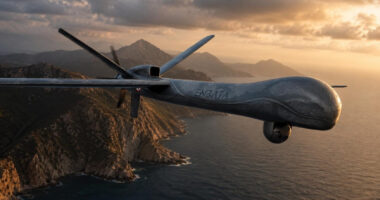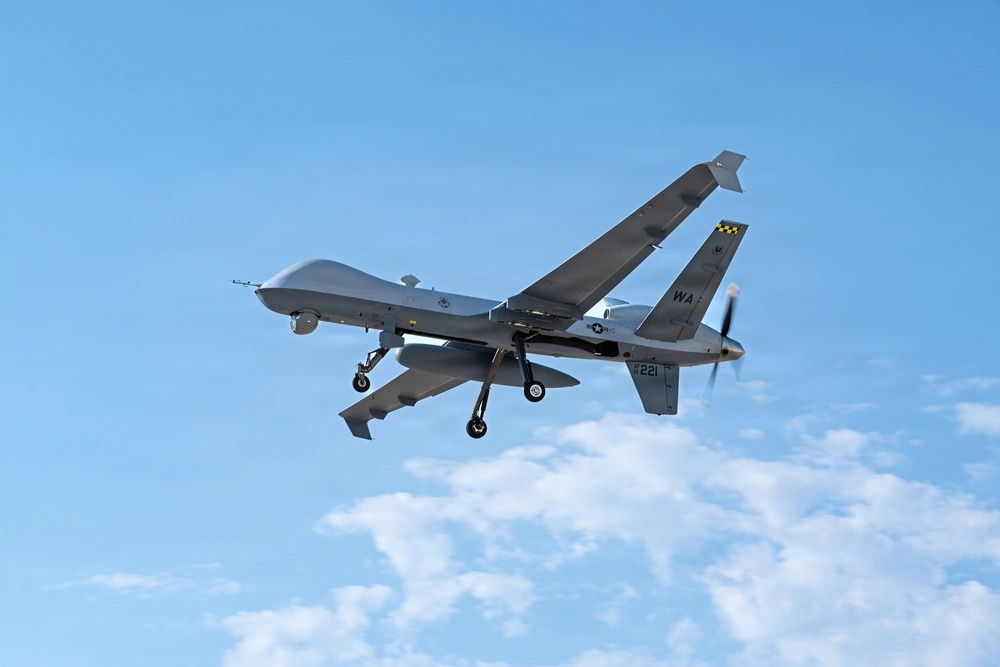
The US Air Force has begun shaping the future of its uncrewed aerial fleet, establishing requirements for a next-generation aircraft that could eventually succeed the MQ-9 Reaper.
At the heart of the effort is an open-systems architecture, with modularity built into the aircraft from the outset rather than added later.
The service also wants future intelligence, surveillance, and reconnaissance (ISR) platforms to be produced at scale, fielded rapidly, and operated with greater tolerance for combat losses than today’s systems.
To help accelerate development, the air force has partnered with the Defense Innovation Unit (DIU), tapping its expertise in rapid prototyping and commercial technology adoption.
The collaboration will use the DIU’s Commercial Solutions Opening process to bring commercial and other non-traditional companies into iterative prototyping, broadening the pool of technologies available for the program.
According to the service, the approach is intended to deliver a more adaptable successor to the MQ-9, capable of evolving alongside emerging battlefield requirements.
Rethinking Drone Sustainment
The current MQ-9 fleet is largely sustained through targeted repairs and the purchase of available airframes to meet operational demands.
The air force now wants to shift toward a more sustainable model centered on “mass, maneuver, enduring persistence, and distributed lethality,” reflecting the growing need for aircraft that can be produced, deployed, and replaced more efficiently during high-intensity conflicts.
“Future conflicts will demand greater mass, faster adaptation and the ability to absorb operational losses while continuing to generate combat effects,” said Lt. Gen. Chris Niemi, chief modernization officer at Air Force Headquarters.
“As we refine requirements for future long-endurance ISR and strike platform capabilities, our objective is to provide commanders with more options by fielding platforms that are more modular, lower cost, and easier to mass produce.”