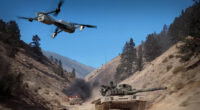
General Atomics Aeronautical Systems Inc. (GA-ASI) has demonstrated interoperability between the F-35 Lightning II fighter jet and the MQ-20 Avenger drone in support of the US Air Force’s Collaborative Combat Aircraft (CCA) program.
The test paired the airborne MQ-20 with an F-35 on the ground, allowing the fighter’s pilot to relay commands to the unmanned aircraft through a tablet-based interface inside the cockpit.
The Avenger ran GA-ASI’s Tactical Autonomy Ecosystem software, aligned with the government’s autonomy reference architecture, enabling beyond-line-of-sight communications between the two platforms via a tactical proliferated low Earth orbit data link.
Commands from the F-35 directed the drone to execute tactical maneuvers and adjust flight paths, with the MQ-20 transmitting back autonomous responses and real-time flight data, including position, speed, and altitude.
The demonstration involved Lockheed Martin, software specialist Autonodyne, and military engineering teams.
‘Continued Commitment’
The US Air Force’s CCA program aims to pair crewed fighters with lower-cost autonomous drones for roles including reconnaissance, electronic warfare, strike support, and decoy.
The service plans to begin procuring operational CCA drones in 2027 as it moves to integrate autonomous systems into future combat operations.
The MQ-20 has served as an experimental CCA platform for over five years, while the company develops its YFQ-42A Dark Merlin and XQ-67A aircraft for the program.
“This significant warfighter integration milestone is the beginning of operational readiness for the Collaborative Combat Aircraft and demonstrates the near-term opportunities for force integration,” said Michael Atwood, vice president of advanced programs at GA-ASI.
“Events like these drive home GA-ASI’s continued commitment to adoption of next-generation data links, mission autonomy, and unmanned air combat operations.”