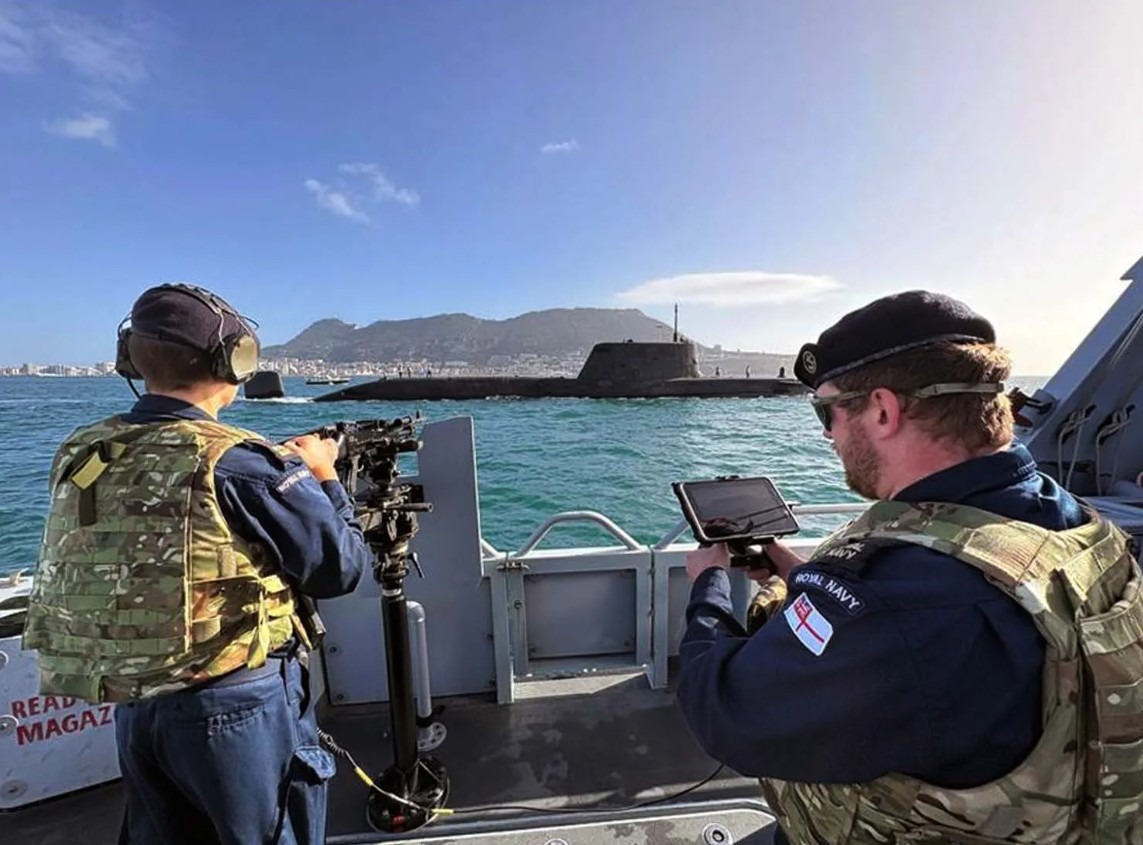
The Royal Navy Gibraltar Squadron has integrated ANAFI Parrot quadcopters into its operations to support maritime surveillance, force protection, and intelligence collection around Gibraltar.
These systems support short range aerial reconnaissance, including tracking vessel movements and providing overwatch for the Royal Navy’s warships.
ANAFI is a lightweight electric quadcopter equipped with electro-optical sensors that deliver high-resolution imagery for real-time situational awareness.
Its compact design and minimal logistical requirements allow deployment from patrol boats and auxiliary craft without dedicated launch or recovery equipment.
“The ANAFI drones have enhanced our ability to deliver effective surveillance during both routine patrols and major tasking,” said Gibraltar Squadron Commanding Officer Lieutenant Commander Jonathan Davies.
“Whether supporting Intelligence gathering tasks or protecting high value units such as the Carrier Strike Group, the system’s clear imagery significantly improves situational awareness and supports tactical decision making.”
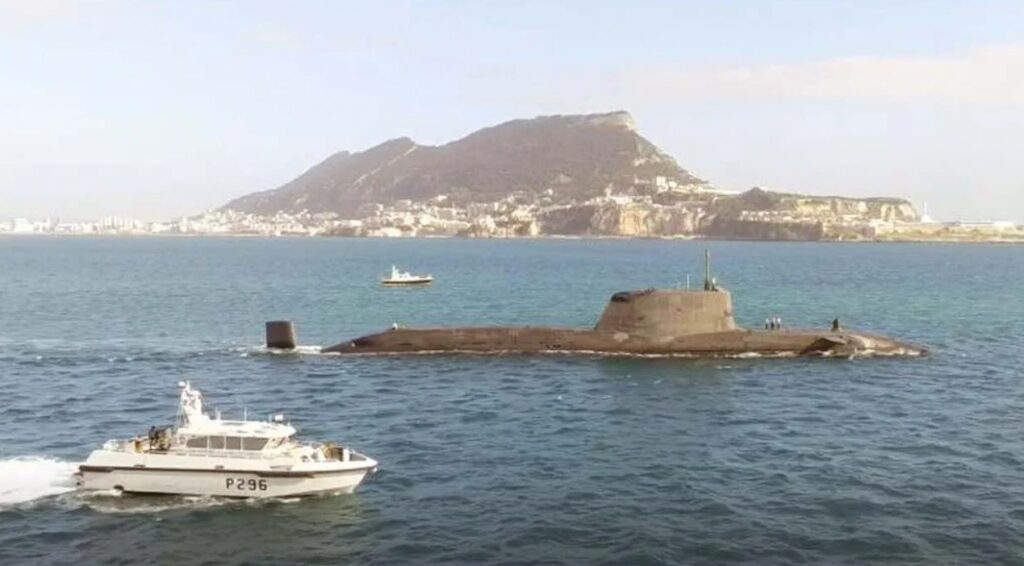
Protecting Gibraltar
Operational use of the ANAFI system has been enabled by an updated approval framework for small drones deployed from naval platforms.
Earlier “ship air release” procedures were designed for larger systems and often required lengthy certification, delaying the use of lower-risk drones.
A revised process introduces platform-specific risk assessments, standardized documentation, and digital tools to speed up approvals.
Clearance timelines have been reduced from weeks or months to a few days following trials conducted on HMS Cutlass and HMS Dagger, as well as on smaller boats used by the Gibraltar Squadron.
The model is now being considered for wider adoption across Royal Navy units, including experimental vessels and commando-operated craft, to support broader use of lightweight drones in maritime operations.