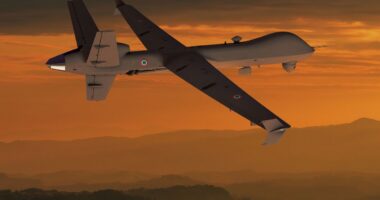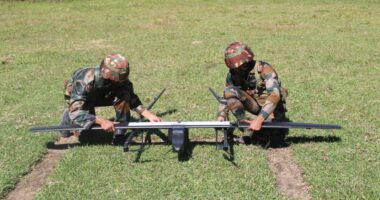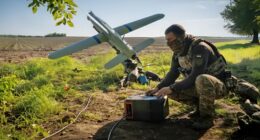
The US Air Force is seeking industry input on unmanned target systems capable of replicating stealth fighters, strategic bombers, and early warning aircraft.
In a Request for Information, the service outlines requirements for a “family of systems” covering airborne threats ranging from low-cost drones to large fighter aircraft.
The systems must be inexpensive and simple to produce, with platforms that can be designated as expendable or attritable depending on the mission.
The air force is also considering commercial and early-stage designs, including non-traditional and dual-use systems that could be adapted to meet the requirements rather than developed from scratch.
The targets must replicate the physical characteristics of the aircraft they represent, along with their radio-frequency and infrared signatures for testing against missile seekers.
From Swarms to Supersonic Targets
The notice sets different performance requirements based on the target category. Group 1 and 2 systems must fly below 150 knots (278 kilometers/173 miles per hour) and operate in swarms.
Group 3 and 4 targets must reach Mach 0.8 (980 kilometers/609 miles per hour) and withstand maneuvers of up to 6 Gs.
Group 5 targets must operate above 50,000 feet (15,240 meters) and reach supersonic speeds.
Replacing the QF-16
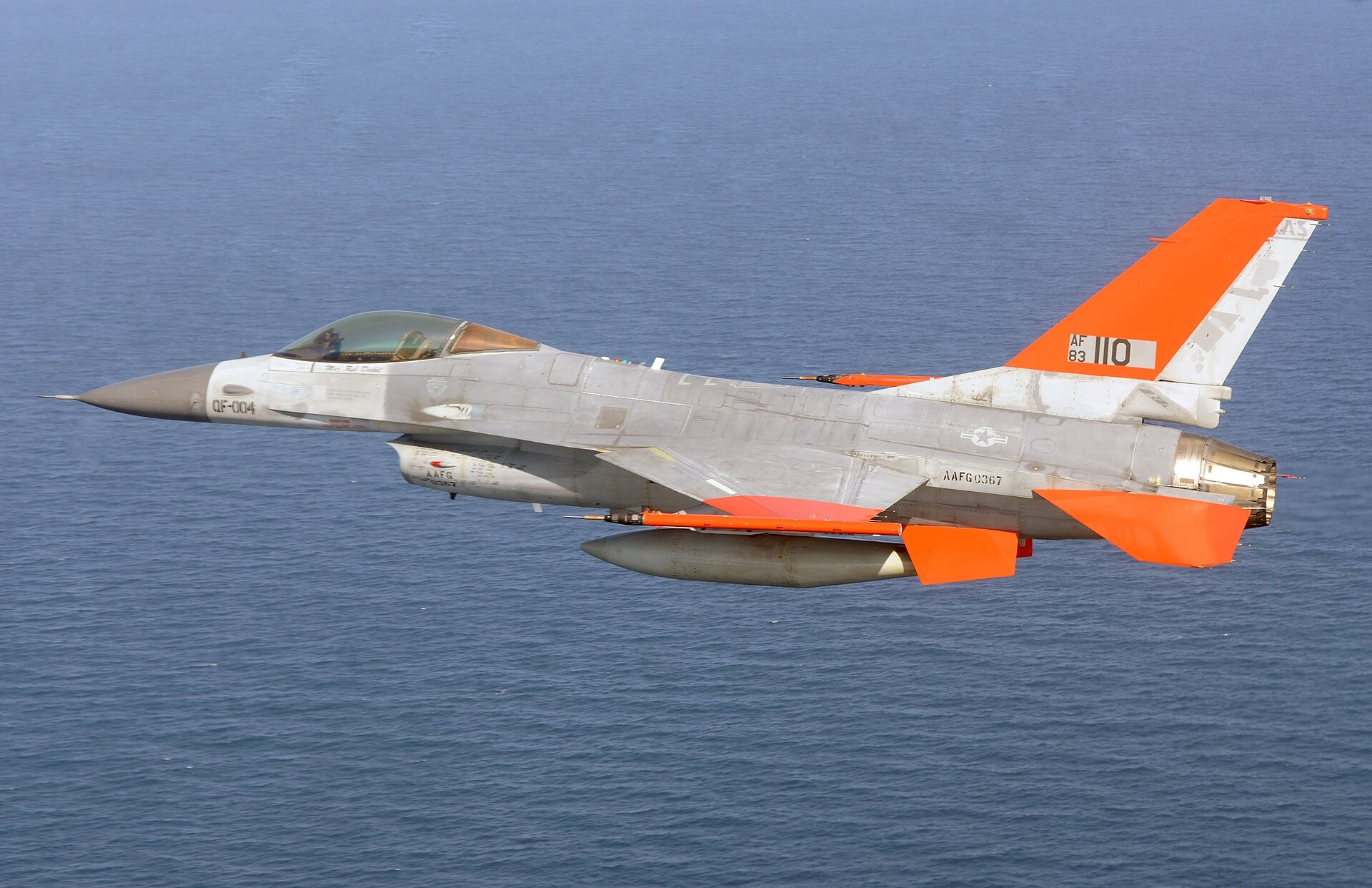
The US Air Force currently uses uncrewed QF-16 aircraft for aerial target missions. The platform is based on converted F-16 fighter jets and can also be flown by a human pilot when required.
But using full-sized fighter aircraft as targets comes with higher maintenance and replacement costs when platforms are damaged or destroyed.
The proposed systems would provide smaller, expendable targets that can be produced and replaced more readily for training and weapons testing.
The service has set September 28 as the deadline for industry responses.