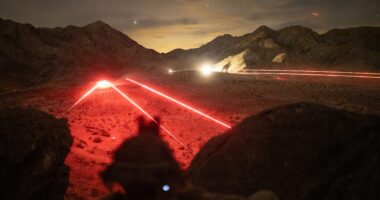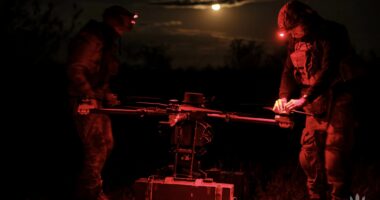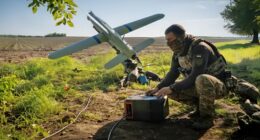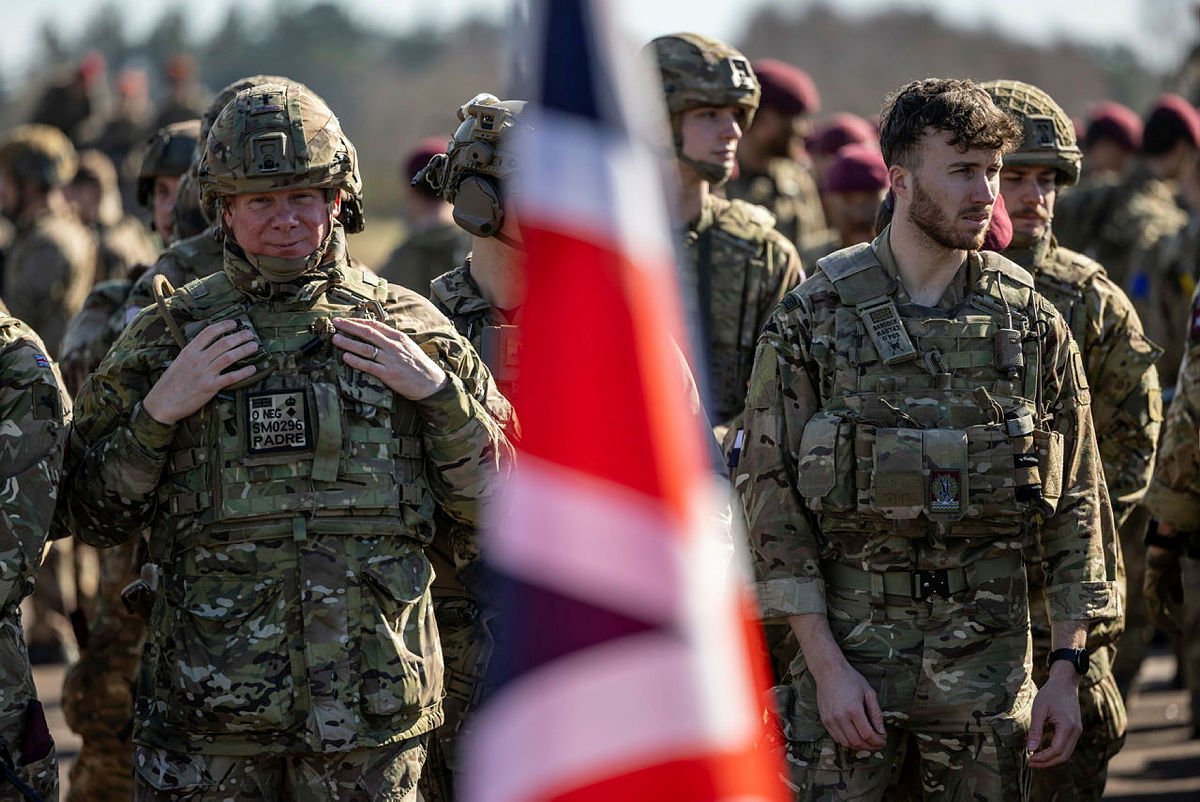
Canada is preparing a large training area in Southern Alberta to host more than 350 British troops for a field exercise combining drone operations with electronic warfare.
Soldiers from the UK’s 2nd Battalion, Parachute Regiment will train against one-way attack drones across terrain said to be four times larger than the UK’s biggest military training area.
The exercise, dubbed Rhino Biz, will incorporate electronic jamming to replicate the challenges troops face when operating uncrewed systems in contested combat environments.
According to Canadian Army Commander Lieutenant General Michael Wright, drone companies will also participate in the exercise alongside British troops.

“Canada and the United Kingdom, together, are working to reinvigorate Suffield,” Wright told Sky News.
“It’s less about large-scale training, and it’s much more about using what is a fantastic training area in Southern Alberta to test the types of capabilities that both of our armies know that we need.”
Familiarity With Drones and Rifles
The British Army reportedly faces challenges training with wartime drone and counter-drone systems at home due to peacetime civil aviation regulations and other restrictions.
As a result, UK forces have turned overseas for the space and flexibility to conduct more realistic exercises, with the 2,700-square-kilometer (1,042-square-mile) training area in Southern Alberta emerging as a key location.
Apart from its size, the site already houses the British Army Training Unit Suffield, making the area suitable for the kind of training programs UK troops can’t do at home.
Wright said the goal of the exercise is to ensure soldiers become as proficient with drones as they are with their service rifles.
The approach aligns with the Canadian Armed Forces’ new 22-day Canadian Army Soldier First Course, which requires every soldier to operate drones and defend against aerial surveillance and strike systems.
“It’s really making sure that the use of uncrewed systems, both from an offensive and defensive perspective, are one of the core skills of our soldiers,” Wright stated.