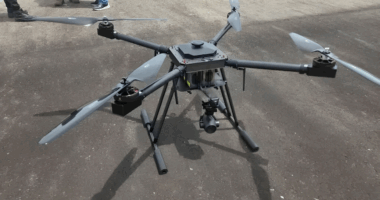
Suspected cartel drone incursions along the US-Mexico border dropped by approximately 75 percent following the military’s first operational use of a high-energy laser weapon against unmanned aircraft, according to US officials.
Troops deployed in the Rio Grande Valley used the directed-energy system to destroy 11 cartel-linked drones over 10 days beginning in late August.
The laser adds a permanent-kill capability to existing electronic-warfare systems, which can jam drones or force them to return to their operators without destroying them.
The 11 laser engagements make up about 300 drone defeats recorded along the southern border since the beginning of the year using both kinetic and non-kinetic systems.
Military officials acknowledged that other factors may have contributed to the decline, including cartels shifting their reconnaissance operations to different routes.
“When you just send it back and then it comes back up or is defeated temporarily … the game changer is ensuring that that tool can’t be used again against you,” Col. Robert Felicio, commander of the US National Guard’s 130th Maneuver Enhancement Brigade, told CBS News.
Anti-Drone Ops in Southern Border
Officials said cartels rely heavily on small quadcopters to monitor US troops and border patrol teams, allowing smugglers to reroute drug shipments and human-trafficking operations around security forces.
The US military has deployed vehicle-mounted laser systems that track targets through camera feeds before directing concentrated heat onto critical components, bringing the drones down in flight.
Operators control the system using handheld, game-style controllers, simplifying target tracking and laser engagement.
Military commanders maintain close coordination with the Federal Aviation Administration to minimize risks to civilian aircraft during laser engagements.
US forces also work with Mexican authorities to track potential aerial threats near the border.