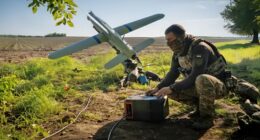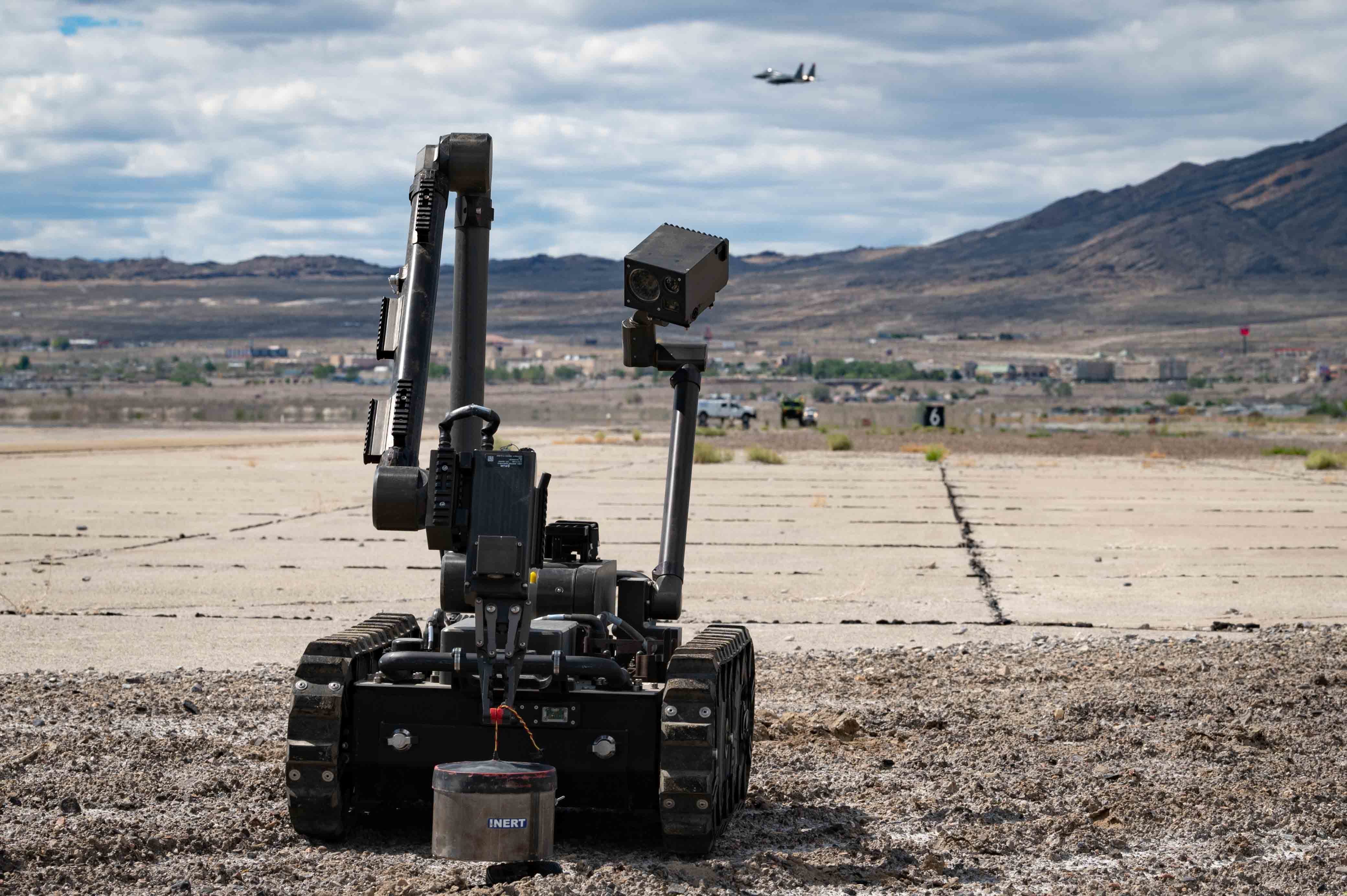
Safe Pro Group has secured a $1.3-million contract from Forterra to integrate its AI-powered landmine detection technology into US unmanned ground vehicles (UGVs).
The work will focus on embedding and testing the Florida-based company’s RoadSight computer vision and machine learning platform, enabling ground drones to detect and track explosive threats while on the move.
RoadSight is built around Safe Pro’s proprietary Object Threat Detection technology, which can reportedly identify more than 150 types of explosive hazards, including landmines, cluster munitions, and unexploded ordnance.
The system is trained on a dataset of approximately 2.8 million drone images and more than 50,000 confirmed explosive threat detections collected across 35,000 acres (14,164 hectares) of terrain.
Latest Projects
The deal follows Forterra’s launch of the MESA UGV, a robotic vehicle based on the Polaris Ranger XD 1500 utility vehicle and can haul up to 2,000 pounds (907 kilograms) of cargo through GPS-denied battlespaces.
It also comes after the Maryland firm’s partnership with Oshkosh Defense in June to supply additional ROGUE-Fires remote-controlled vehicles to the US Marine Corps, expanding the service’s expeditionary strike capabilities.
That same month, Safe Pro secured multiple US Army contracts tied to AI-enabled military applications.
These include a similar $1.3-million deal to adapt the landmine detection technology into ground drones and a demonstration of an AI-powered hazard detection system intended to support high-tempo airfield operations.
Additional milestones included the delivery of a $743,000 threat analysis kit for the US Army, which consists of Black Widow aerial drones from industry partner Red Cat as well as corresponding model and software upgrades.