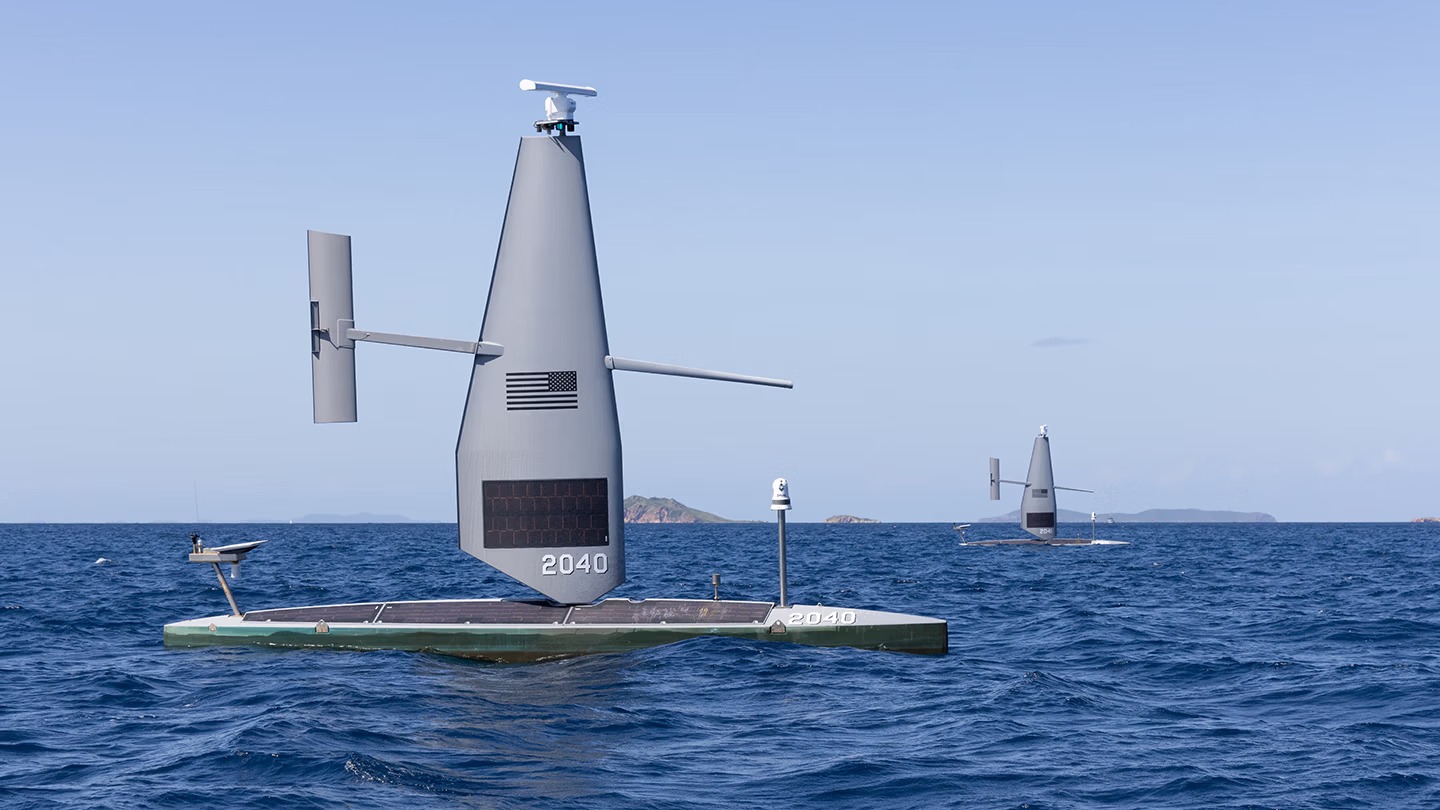
The US Navy has used unmanned surface vessels (USVs) to help intercept a cocaine shipment worth more than $81 million in the Caribbean, highlighting the growing operational role of autonomous systems in maritime security.
Two Voyager USVs built by California-based Saildrone tracked a vessel of interest and coordinated with naval forces, enabling a US Navy ship to intercept the suspect craft and seize the illegal cargo.
According to Saildrone, Voyager is the only USV to maintain continuous operations with the navy’s Fourth Fleet, which oversees the Caribbean and parts of the Atlantic and Pacific around Central and South America.
The company said the successful mission demonstrates the platform’s maturity for real-world maritime operations and reflects the Navy’s continued integration of autonomous systems into day-to-day missions.
The US Navy previously awarded Saildrone a $16.3-million task order to expand Voyager operations across the Caribbean and Eastern Pacific, supporting efforts to combat drug trafficking and other illicit maritime activity.
“The continuity of Saildrone’s presence along the southern border for nearly three years demonstrates the strategic value we bring as the world’s most experienced operators of unmanned surface vehicles,” said Saildrone President John Mustin.
“Our unmatched ability to remain on station and on mission in critical regions for months at a time is why our fleet serves as a powerful deterrent to bad actors.”
Built for Persistent Patrols
Measuring over 10 meters (33 feet) long, the Voyager USV is designed for persistent surface and subsurface surveillance missions that enhance maritime domain awareness.
It is powered by an electric motor and can operate continuously for more than 100 days before returning for maintenance.
Saildrone describes Voyager as a “high-capacity platform for advanced sensor integration,” supporting a wide range of maritime surveillance and security missions.
“We look forward to continuing to partner with the Navy in its mission to secure the country’s maritime approaches and southern border,” Mustin stressed.