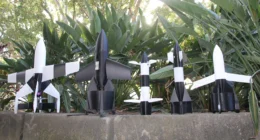
Boeing has validated the stealth characteristics of its MQ-28 Ghost Bat collaborative combat aircraft, confirming its ability to operate in high-threat environments.
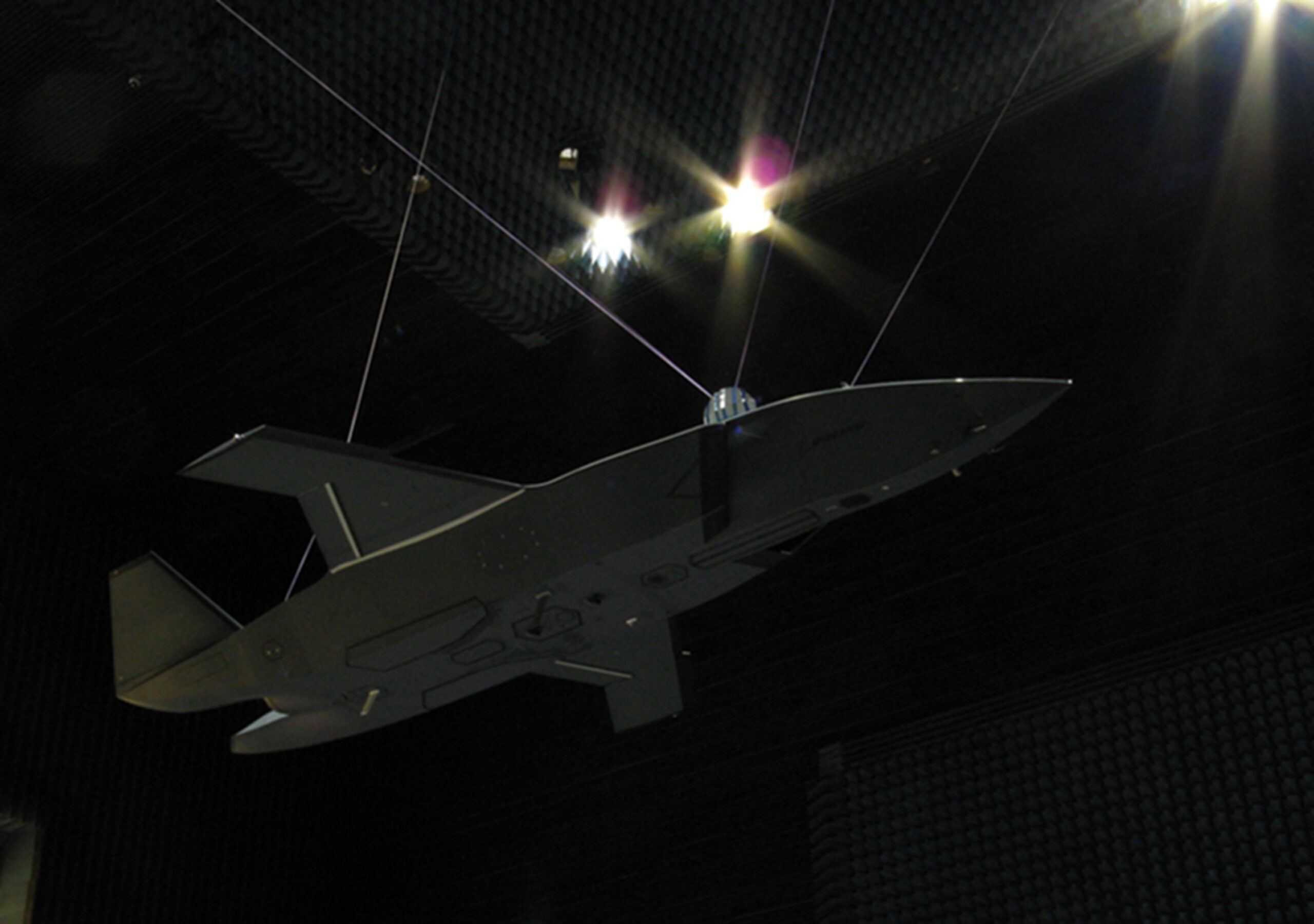
A recent radar cross-section (RCS) testing confirmed that the drone’s design reduces the range at which enemy radars can detect and track it, potentially improving survivability in contested environments.
The tests provided objective, repeatable data on detection risk, with results indicating the effectiveness of the MQ-28’s airframe design, manufacturing, and components in reducing radar observability.
Boeing described the milestone as evidence of the Ghost Bat’s maturity and its readiness for advanced air operations, positioning it as a cost-effective option for modern combat missions.
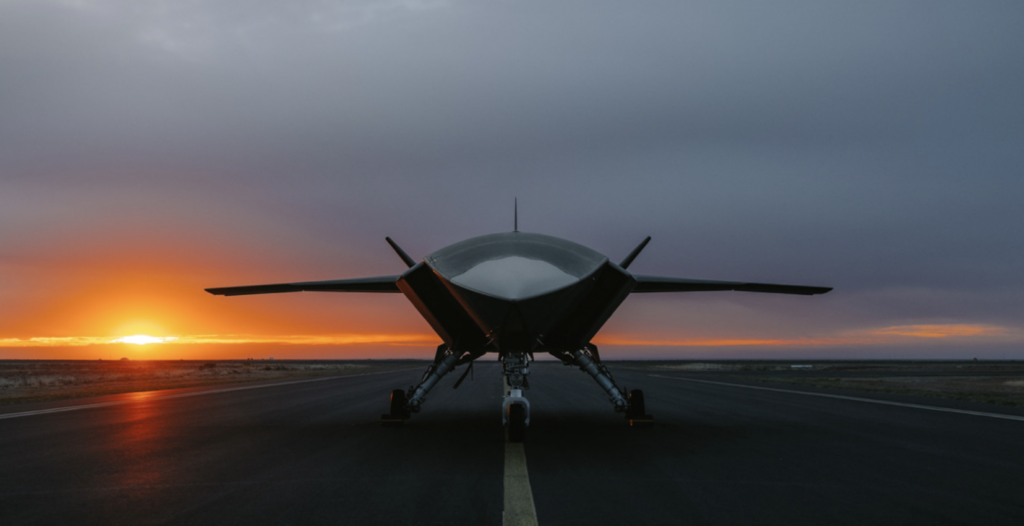
“The combination of a highly capable platform, stealth features, advanced autonomy and [AI] provides unprecedented ability for air forces to extend their mission effectiveness and operational flexibility,” said Brad Thompson, director for Phantom Works Australia, Boeing’s research and development arm responsible for the MQ-28.
MQ-28 Milestones
Boeing began development of the Ghost Bat in 2017, with the aircraft completing its first flight in 2021.
Since then, it has logged more than 150 flights and supported multiple demonstrations, including autonomous navigation to an unfamiliar location.
The platform has also demonstrated collaborative operations with other MQ-28 aircraft and integrated with Boeing’s E-7A airborne early warning system during testing scenarios.
In one milestone, the MQ-28 conducted an autonomous air-to-air engagement, using a Raytheon AIM-120 missile to destroy a simulated target.