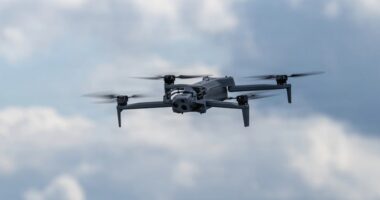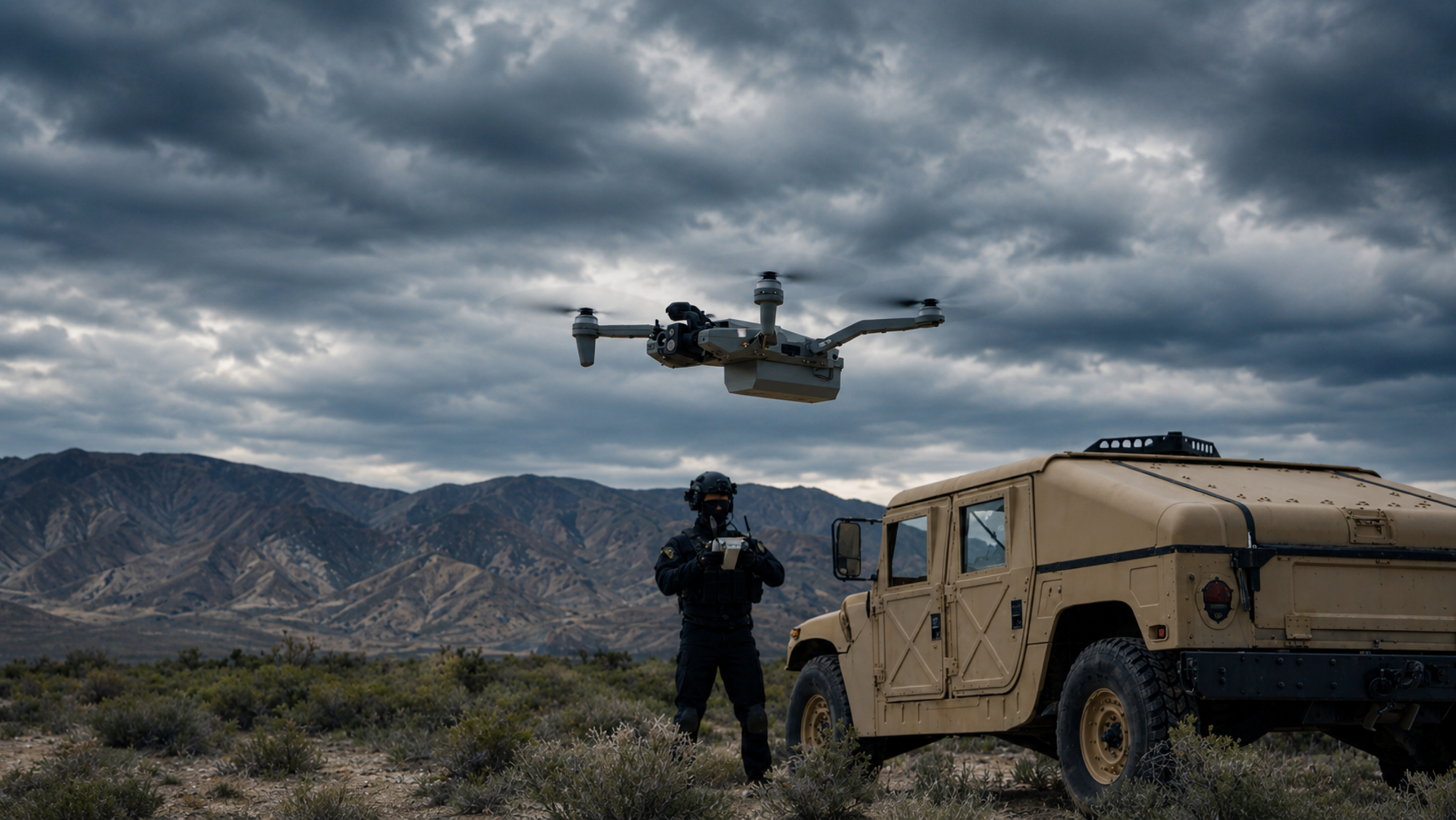

Red Cat Holdings rolled out its new Hellcat unmanned aerial system (UAS), positioning a small-class drone option for modern battlespaces where communications and GPS signals may be disrupted.
Built on the company’s Black Widow platform, Hellcat incorporates direct input from frontline operators, including Ukrainian drone teams.
The company said this feedback loop is intended to improve battlefield relevance while enabling faster integration across allied forces.
The Hellcat UAS
Hellcat uses a modular open systems architecture, allowing users to reconfigure payloads as well as adapt command-and-control and software components for different mission profiles.
Without GPS reception, the drone launches from power-on and relies on a return-to-home azimuth recovery approach.
Additional features include WEB standoff radio support, a low-visibility finish, a field-repairable airframe designed to fit in a tactical backpack, and compatibility with Red Cat’s in-house Ocellus 3CP three-camera array.
In operation, Hellcat delivers more than 50 minutes of flight time and a range of up to 7 miles (11 kilometers), while maintaining line-of-sight
“Small UAS programs need to keep pace with how operators are using them in the field,” said Jeff Thompson, CEO of Red Cat.
“Hellcat reflects Red Cat’s approach to working directly with warfighters, incorporating feedback from operational environments, and folding those lessons back into the platform so users can adapt as the mission changes.”