Estonia is investing in drone warfare infrastructure with a new testing center designed to examine how unmanned systems survive, operate, and remain detectable in contested electromagnetic environments.
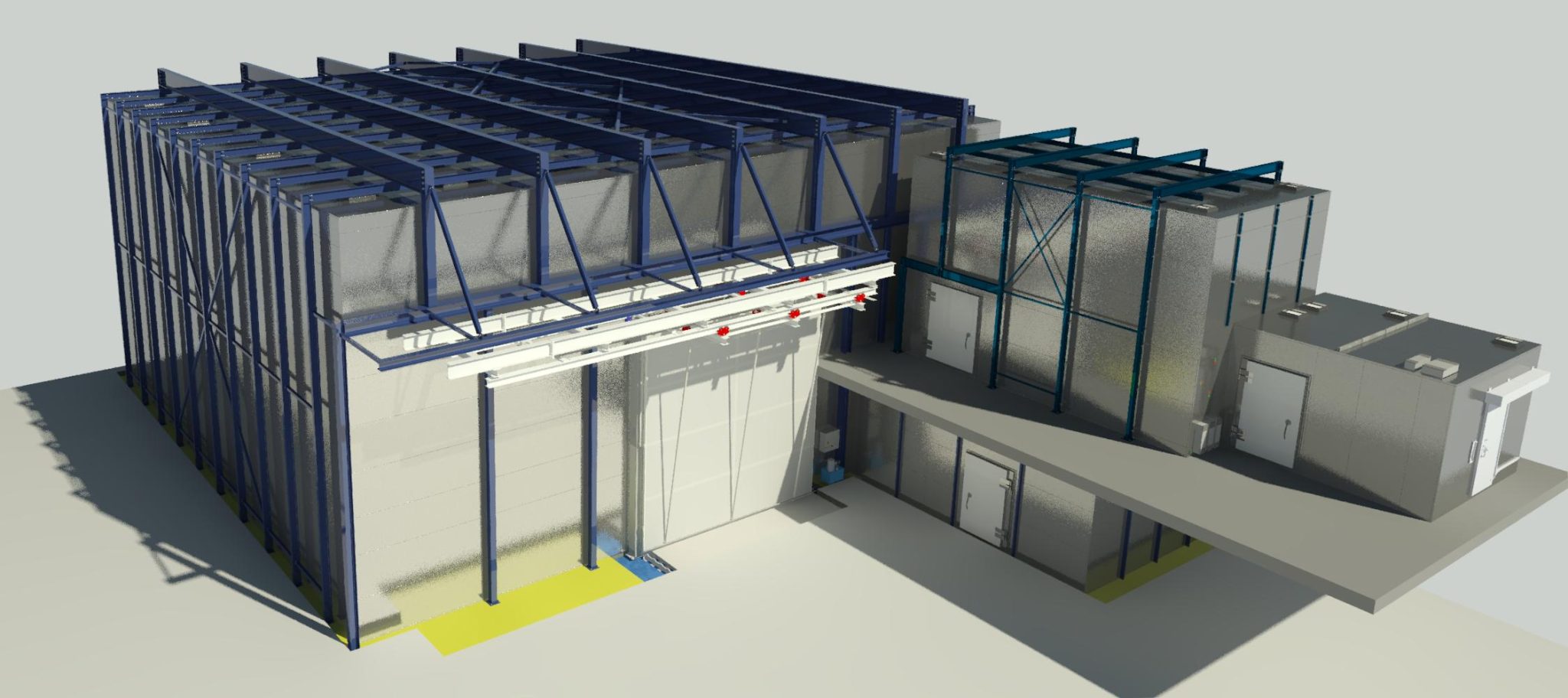
The project, led by Metrosert, will establish a nearly 7-million-euro ($8.2 million) electromagnetic compatibility and radar cross-section laboratory in Tallinn. The site will become part of a larger drone technologies campus scheduled to begin operations in 2027.
The facility will evaluate how complete systems behave under electronic stress. Engineers will be able to measure radar visibility, electromagnetic interference, and signal resilience across drones, military vehicles, electronic subsystems, and integrated weapon system configurations.
The center is also intended to relieve pressure on Europe’s limited testing infrastructure. Demand for specialized EMC and radar testing has surged as defense firms race to field new drone and counter-drone technologies, creating delays between prototype development and production readiness.
Metrosert says the new laboratory will help reduce those delays by giving regional developers faster access to certification and testing capabilities closer to home.
“This new capability will help ease that bottleneck and significantly accelerate the transition of developed prototypes into real industrial production,” said Rainer Kivimäe, head of Metrosert’s Drone Technologies Unit.
Once completed, the facility is expected to support defense companies across the Baltic and Nordic regions, with accreditation work already underway to align testing procedures with international standards.
Estonia Deepens Investment in Drone and Counter-Drone Capabilities
The laboratory project comes as Estonia continues expanding its broader unmanned systems ecosystem.
Earlier this year, the Estonian Air Force partnered with the US Army during the Digital Shield exercise to assess counter-drone systems against evolving aerial threats. The drills included evaluations of both existing and recently acquired air defense technologies.
Estonia has also become increasingly active in international counter-drone cooperation. In February, South Korea’s Hanwha Aerospace teamed with local firm Frankenburg Technologies to develop new anti-drone solutions for future ground combat platforms.
The country is simultaneously investing in workforce development. A drone defense training course launched in late 2025 introduced students to simulator operations and live-flight exercises aimed to build practical drone warfare skills early in the pipeline.