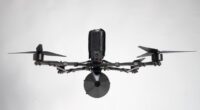
A new collaboration between TEKEVER and Arkeus is taking unmanned aerial systems (UAS) to the next level, integrating hyperspectral imaging for improved detection and precision sensing.
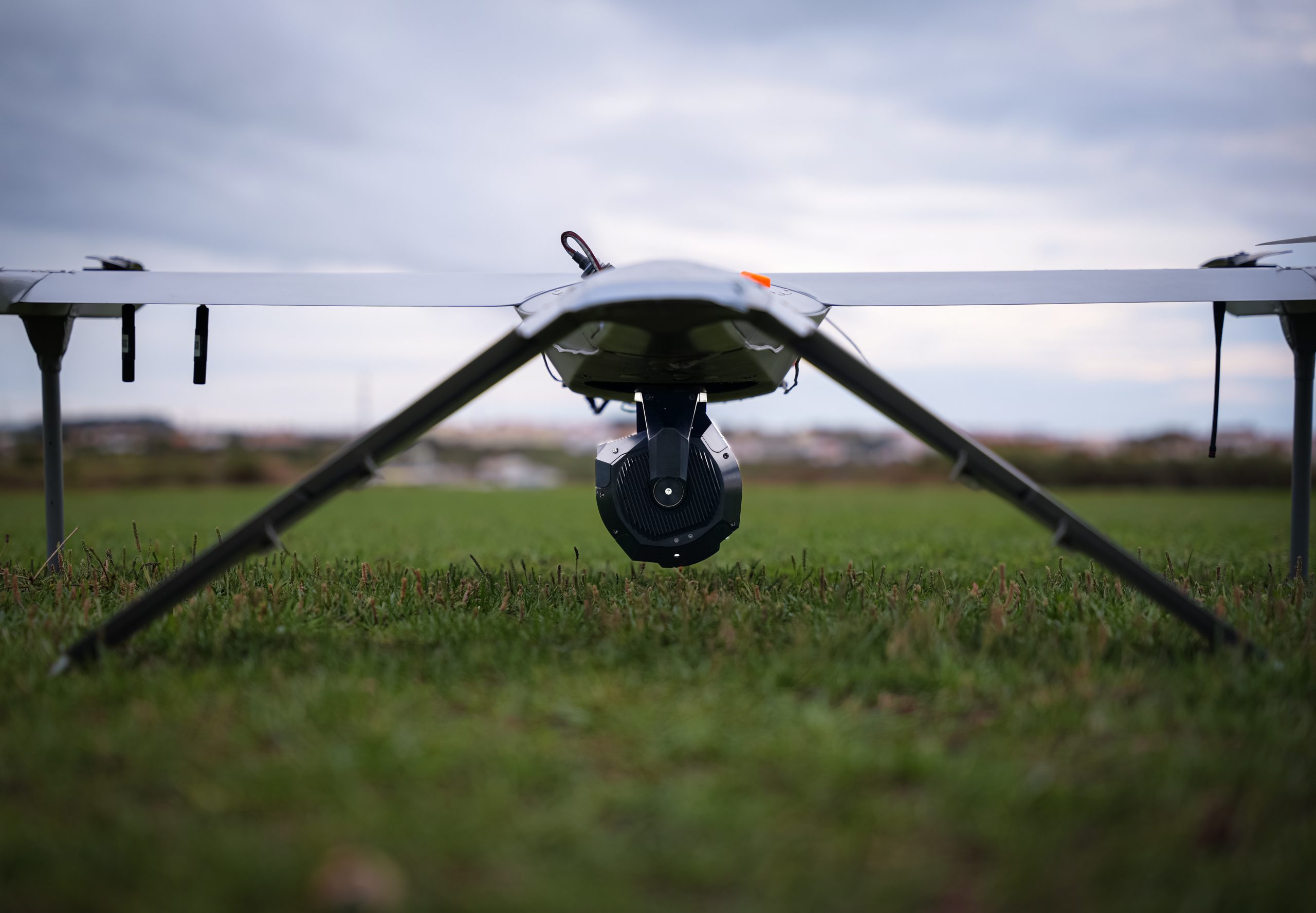
In recent trials, the companies integrated and flight-tested Arkeus’ Warden Hyperspectral Optical Radar (HSOR) on TEKEVER’s AR3 EVO UAS, confirming the system is now mission-ready.
The test showed how the Warden-equipped AR3 EVO could spot, classify, and track objects across land and sea, even in low-visibility or cluttered environments.
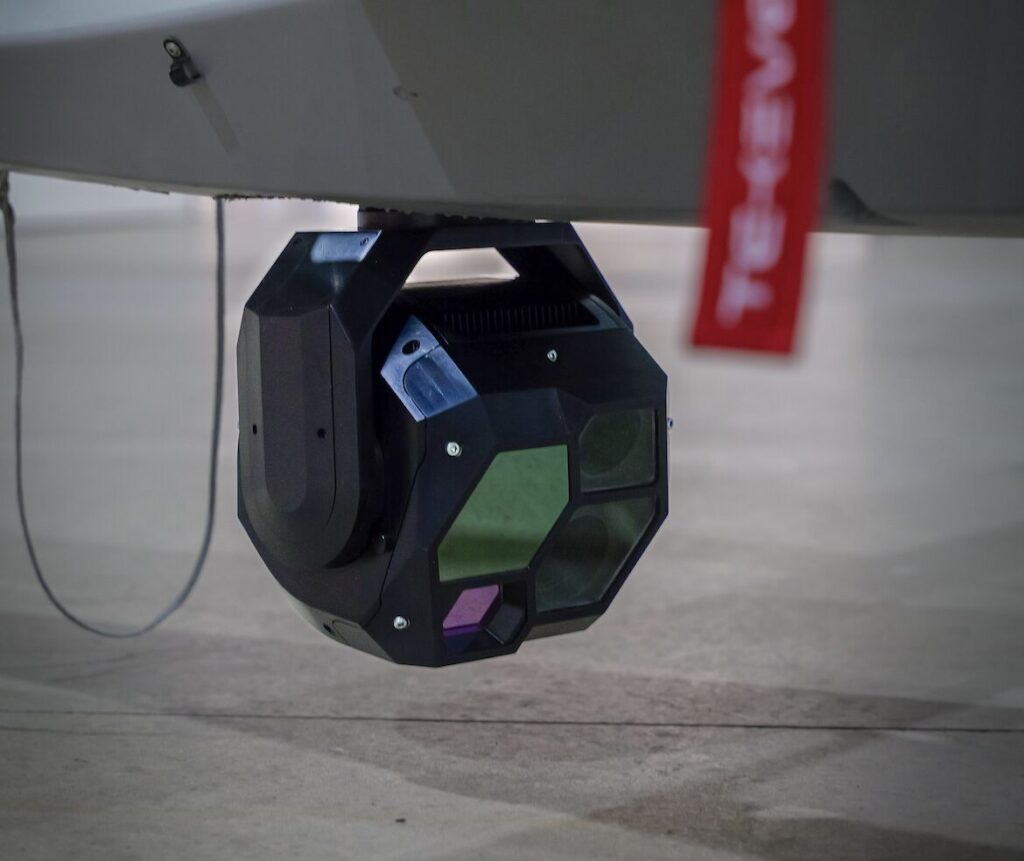
The trials also marked the first European deployment of the Warden HSOR, signaling its growing role in operational intelligence, surveillance, and reconnaissance (ISR) missions.
“Through successful operational evaluations in both Australia and the US, the Warden has demonstrated unmatched range, unmatched coverage, and unparalleled performance in the most challenging degraded visual environments,” said Simon Olsen, CEO of Arkeus.
“The speed of this integration demonstrates the critical edge this capability can provide to both civil and Defence customers in the UK and Europe, today.”
Next-Level Detection
The AR3 EVO, which served as the testbed for the new hyperspectral “eye,” is a modular, multi-mission tactical UAS designed for both shipborne and land-based operations. It can operate fixed-wing or vertical takeoff and landing modes.
Its open architecture supports rapid integration of advanced payloads and AI-driven sensing tools to match evolving mission needs.
By adding the Warden HSOR, the drone gains high-resolution hyperspectral imaging that can identify materials and detect targets that electro-optical or infrared sensors might miss, including camouflaged or partially obscured objects.
It also expands wide-area ISR coverage and enables reliable operations even in GPS- or comms-denied environments.