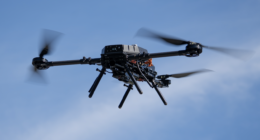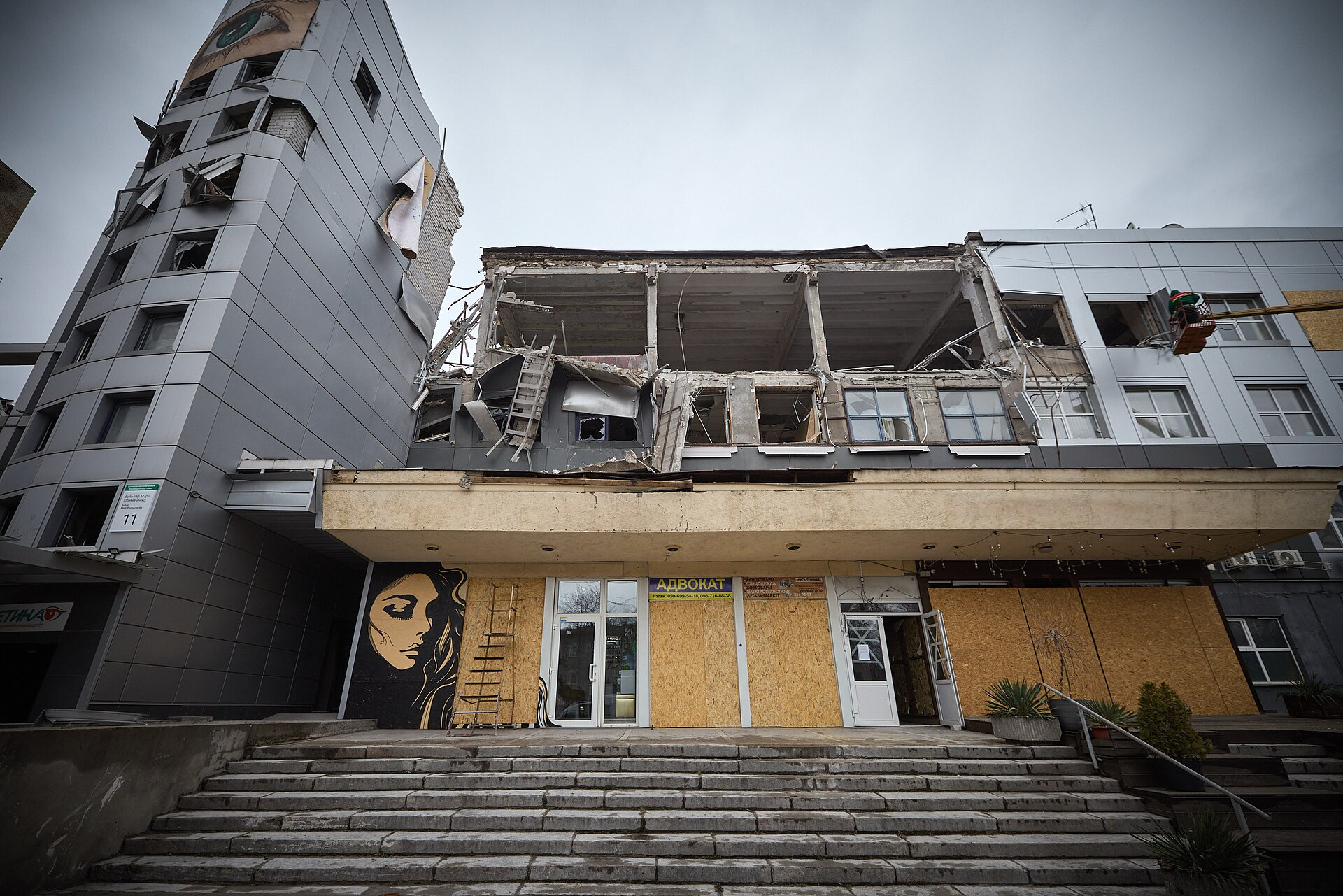
Russia has turned to low-cost first-person view (FPV) drones delivered via larger carrier drones to strike civilian areas in Ukraine, a spokesperson for the Southern Defense Forces of Ukraine reported.
Vladyslav Voloshyn told LIGA.net that the platforms have been used to strike highly flammable public infrastructure, including gas stations and pipelines, increasing the radius and destructive impact of the attacks.
According to him, both systems have been deployed in the Zaporizhzhia region using drones equipped with LTE modems, a move aimed at extending strike reach by up to 30 kilometers (19 miles) deeper into Ukrainian territory.
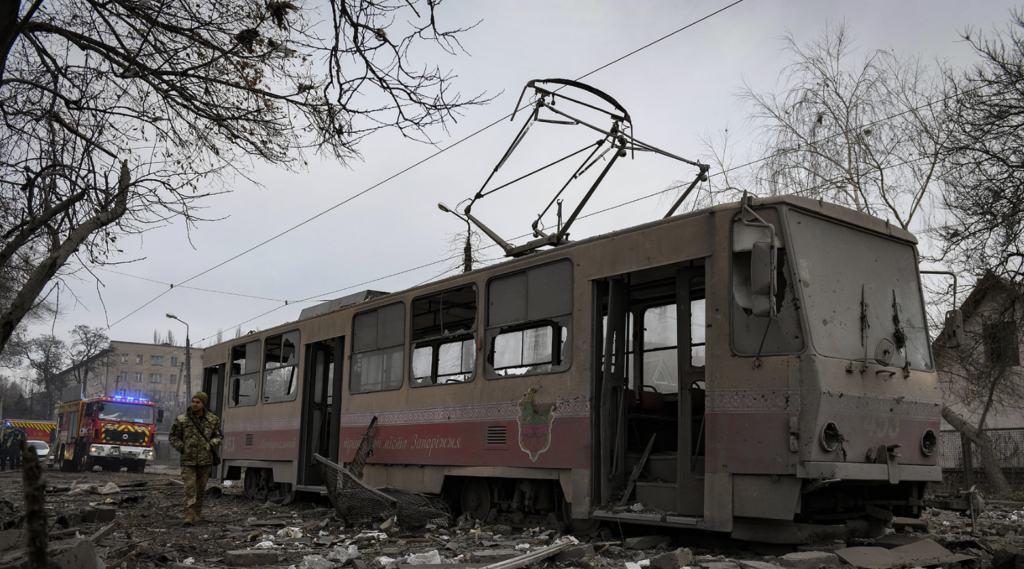
He described Russian tactics as “chess pieces,” noting that forces avoid frontline positions and instead target densely populated areas.
The Ukrainian military is reportedly working on countermeasures that do not require shutting down civilian telecommunication infrastructure, which LTE-enabled drones also rely on.
Evolving Strike Methods
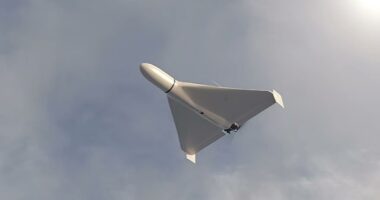
The Zaphorizhzhia region has also seen an increase in Moscow’s use of Shahed drones, with figures suggesting a 51 percent rise compared to previous periods.
Some of these drones have reportedly been modified into carrier platforms capable of transporting multiple FPV systems, allowing for deployment closer to targets in residential areas.
Ivan Fedorov, head of the Zaphorizhzhia Regional Military Administration, said Ukrainian forces have been shooting down these carrier drones, as disrupting them would require shutting down all communications in Zaporizhzhia.
In addition to drone attacks, Voloshyn revealed that the region is also being targeted with guided aerial bombs, with recent strikes killing three people in suburban areas.
Russia has been attempting to capture the Zaporizhzhia region since the beginning of the war.