Ukraine has begun using heavy bomber drones to transport unmanned ground vehicles deeper into combat, according to Russian military reports.
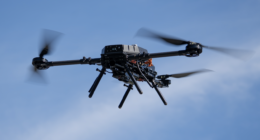
Footage released by a Russian military Telegram channel appears to show a Ukrainian hexacopter system airdropping an ARK-1 platform equipped with anti-tank mines, after which the system advances toward Russian positions.
The tactic could allow Ukrainian forces to overcome difficult terrain that would otherwise limit the movement of ground robots, reducing the distance they must travel before reaching operational areas.
It also frees up the bomber drone before approaching its intended position, releasing tactical cargo and retreating before it can expose itself to direct enemy fire.
The location and timing of the operation remain unclear, and Ukrainian officials have not publicly commented on the footage.
The ARK-1 Robot
The ARK-1 platform is a four-wheel-drive unmanned ground vehicle developed by a Ukrainian firm as part of the Brave1 defense technology initiative.
The platform can reach 45 kilometers (28 miles) per hour and is designed to operate with a low acoustic signature to reduce the risk of detection.
Its modular design allows it to be configured for a range of missions, including transporting ammunition, medical supplies, food, and equipment, as well as carrying explosives for one-way attack missions.