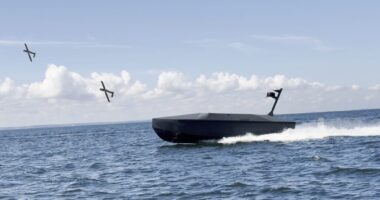

A new maritime drone defense system is combining unmanned surface vessels (USVs) with interceptor missiles to provide ships and ports with a mobile capability against mass drone attacks.
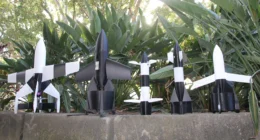
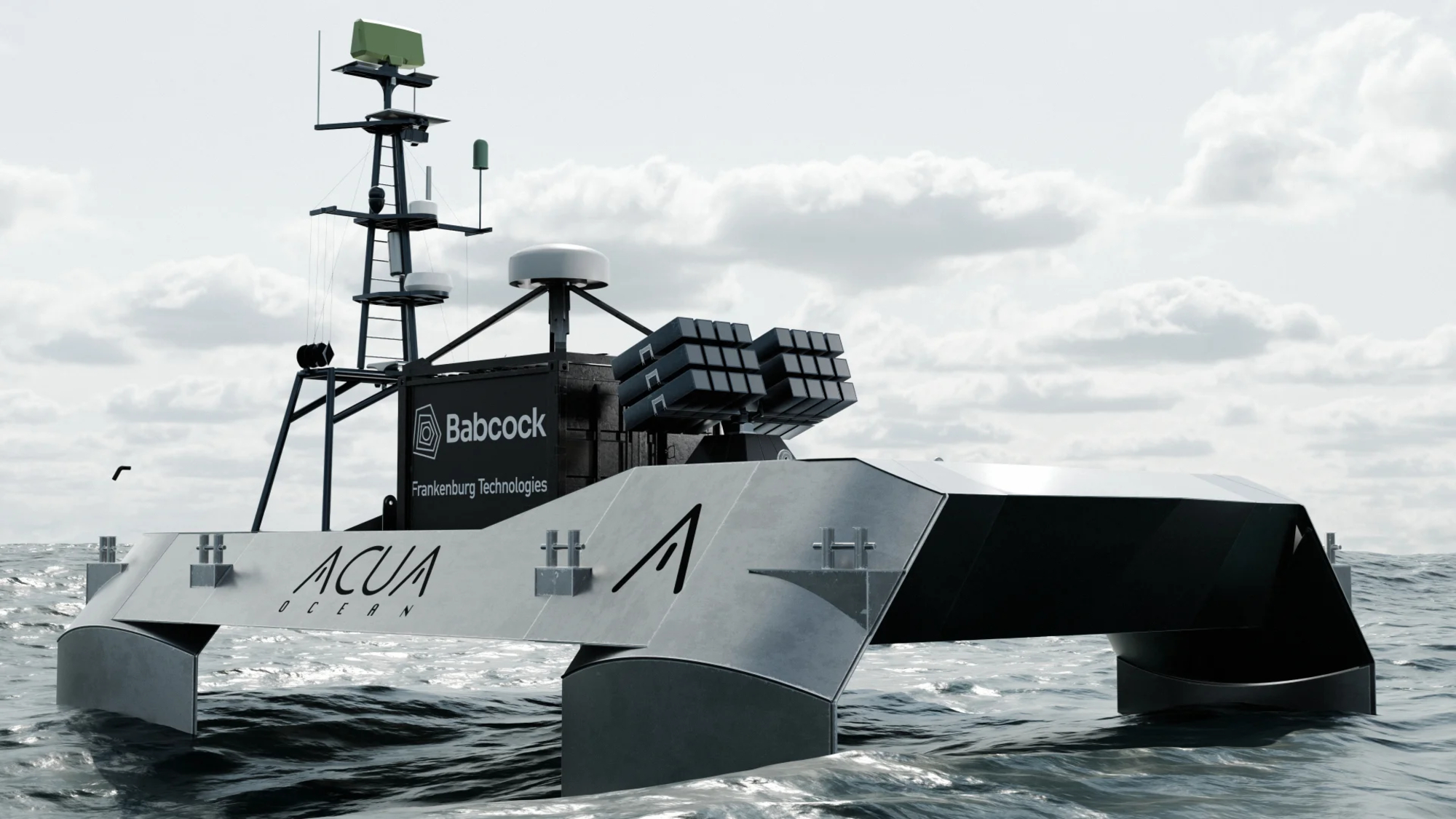
The system is being developed by UK defense companies Babcock and ACUA Ocean Technologies in partnership with Estonia’s Frankenburg Technologies, bringing together autonomous vessels, modular launchers, and precision-guided interceptors.
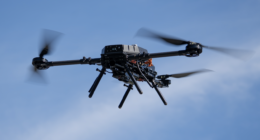
The companies aim to provide additional protection for ships and ports against growing unmanned aircraft threats, particularly kamikaze-type platforms.
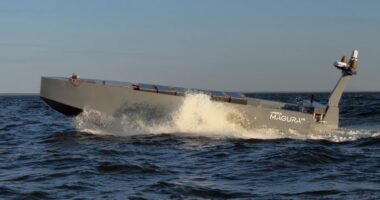
Formed through a memorandum of understanding, the collaboration integrates Babcock’s modular launcher, Frankenburg’s precision-guided missiles, and ACUA’s PIONEER unmanned surface vessel (USV) to create an integrated maritime counter-drone capability.
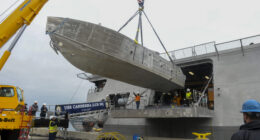
Babcock’s launcher can be installed on both crewed and uncrewed vessels, while ACUA’s PIONEER USV has completed more than 100 hours of autonomous operations 16 to 20 nautical miles (30 to 37 kilometers/18 to 23 miles) offshore.
Building Affordable Maritime Air Defense
The partnership expands an earlier collaboration between Babcock and Frankenburg focused on developing lower-cost air defense systems as inexpensive drones become increasingly common on the battlefield.
“We’re excited to partner with innovative companies to develop an integrated approach that directly addresses some of the biggest challenges our customers face,” Babcock Chief Growth Officer Sir Nick Hine said.
He added that the collaboration aims to help protect “critical national assets and infrastructure from attritable one-way attack drones.”
ACUA CEO Neil Tinmouth said persistent maritime air defense will become increasingly important as drone swarm threats grow, adding that the PIONEER-class USV’s stability allows counter-drone payloads to operate in challenging sea conditions.