Pennsylvania Senators Dave McCormick and John Fetterman have introduced a bill requiring the US Department of Defense to develop a comprehensive, all-domain drone warfare strategy.
The legislation, titled Unmanned Autonomous Systems Strategy Act, seeks to help the Pentagon accelerate the deployment and integration of advanced AI-powered drones across US forces and allied operations.
It outlines a framework for a broad capability gap assessment, evaluating how existing systems cover surveillance, strike, logistics, electronic warfare, and counter-drone missions.
The bill also calls for identifying required air, surface, and undersea autonomous systems to support operations in the Indo-Pacific and the Western Hemisphere, alongside a forward-looking deployment strategy covering both domestic and overseas positioning.
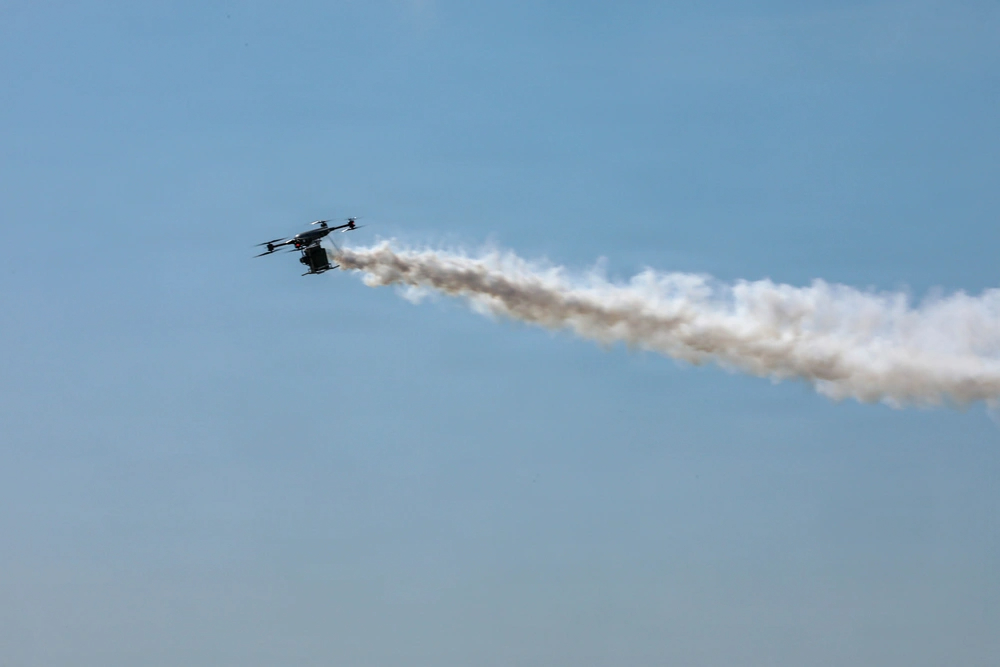
“Unmanned and autonomous systems are part of our lives right now with no strategy for deploying them where they matter most,” Fetterman said.
“Pennsylvania’s defense industry builds some of the best of these systems and we should be putting them to work to keep Americans safe — and this bill does that.”
Strategic Priorities
To address emerging threats, the legislation includes provisions to monitor technologies such as AI and hybrid-electric propulsion that could complement existing platforms and command structures.
It also promotes allied cooperation by establishing a framework for joint development with countries including Australia, Japan, South Korea, Ukraine, and Israel.
In addition, it directs the defense department to identify supply chain vulnerabilities and prioritize secure, compliant domestic manufacturing opportunities.
‘America Cannot Fall Behind’
The bill reflects growing concern over China’s expanding naval and unmanned capabilities in the Indo-Pacific, alongside the development of area-denial systems designed to limit the effectiveness of hostile drones.
At the same time, non-state actors have increasingly disrupted key maritime routes across the Caribbean and US coastal waters.
The senators argue that a more structured drone warfare strategy could free up manned aircraft and naval assets for other missions, while expanding the role of autonomous systems in frontline operations.
“We’ve seen their impact in Ukraine and across the Middle East. The nation that can field affordable, scalable autonomous systems fastest will have a decisive military advantage,” McCormick stressed.
“America cannot afford to fall behind.”