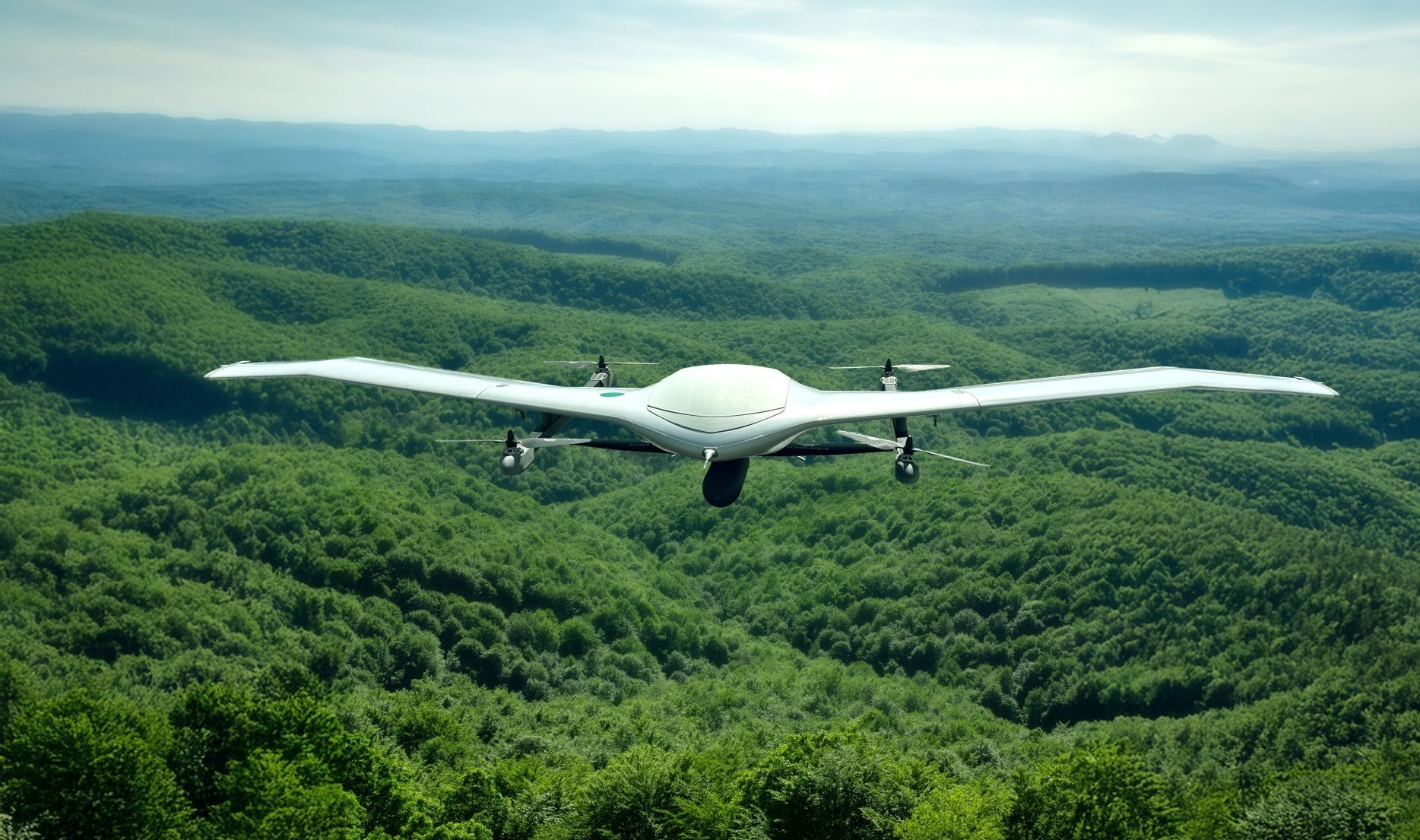

Latvian defense contractor Origin Robotics and Germany’s Alpine Eagle have signed a memorandum of understanding to integrate interceptor drones into a counter-unmanned aerial system (C-UAS) architecture.
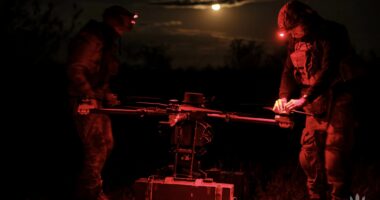
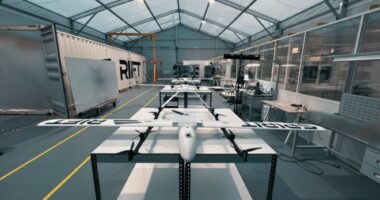
The effort will combine Origin Robotics’ radar-guided BLAZE interceptor with Alpine Eagle’s Sentinel platform, creating a unified system that links detection, command-and-control, and target neutralization.
By connecting airborne and ground-based radars through distributed nodes, the layered architecture is intended to improve threat detection, situational awareness, and response times against drones and loitering munitions.
Modernizing Airspace Security
According to the companies, the partnership reflects a broader shift toward unified air defense networks that fuse sensors, decision-making tools, and multiple interception layers within a single operational framework.
It also aligns with growing European investment in C-UAS capabilities following lessons from the war in Ukraine and the Middle East, where large-scale drone attacks exposed shortcomings in detection and cost-effective interception.
The consortium said initial efforts will focus on technical integration, demonstrations, and operational validation, while also exploring local production of the BLAZE interceptor in Germany.
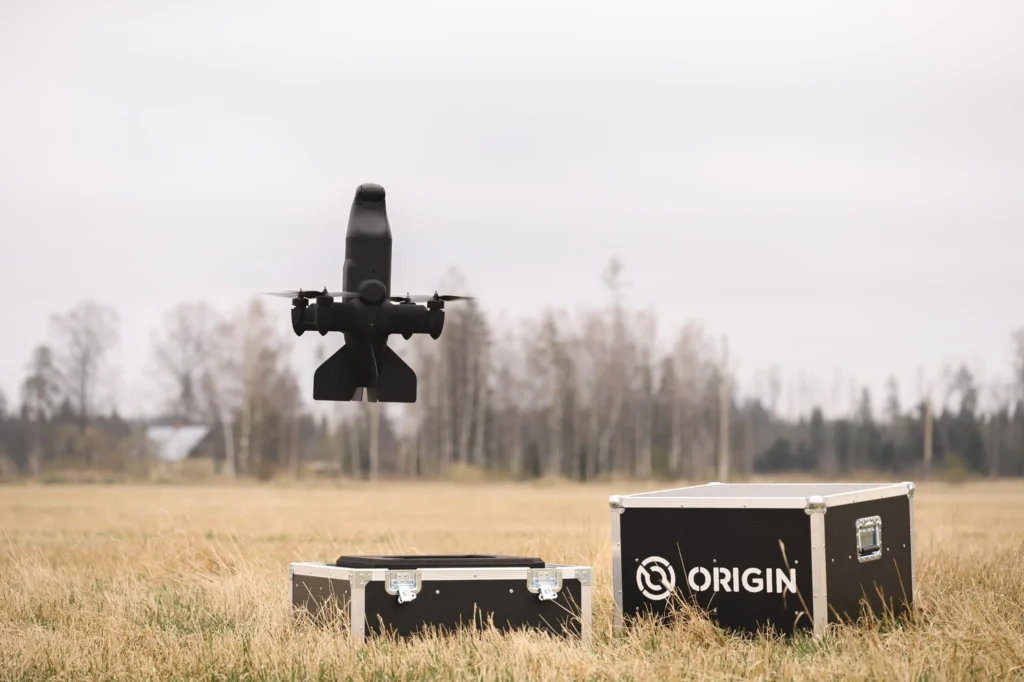
“Drone warfare is forcing militaries to rethink how they protect airspace,” said Jan-Hendrik Boelens, CEO and co-founder of Alpine Eagle.
“The challenge is to bring detection, tracking, and interception together into an integrated system that can respond quickly and scale with the threat.”
Origin Robotics co-founder and CEO Agris Kipurs added that the collaboration goes beyond standalone systems that cannot “solve the challenge” on their own.
“By integrating BLAZE into Sentinel, we are bringing together complementary capabilities that help customers detect threats earlier and respond more effectively,” Kipurs stated.