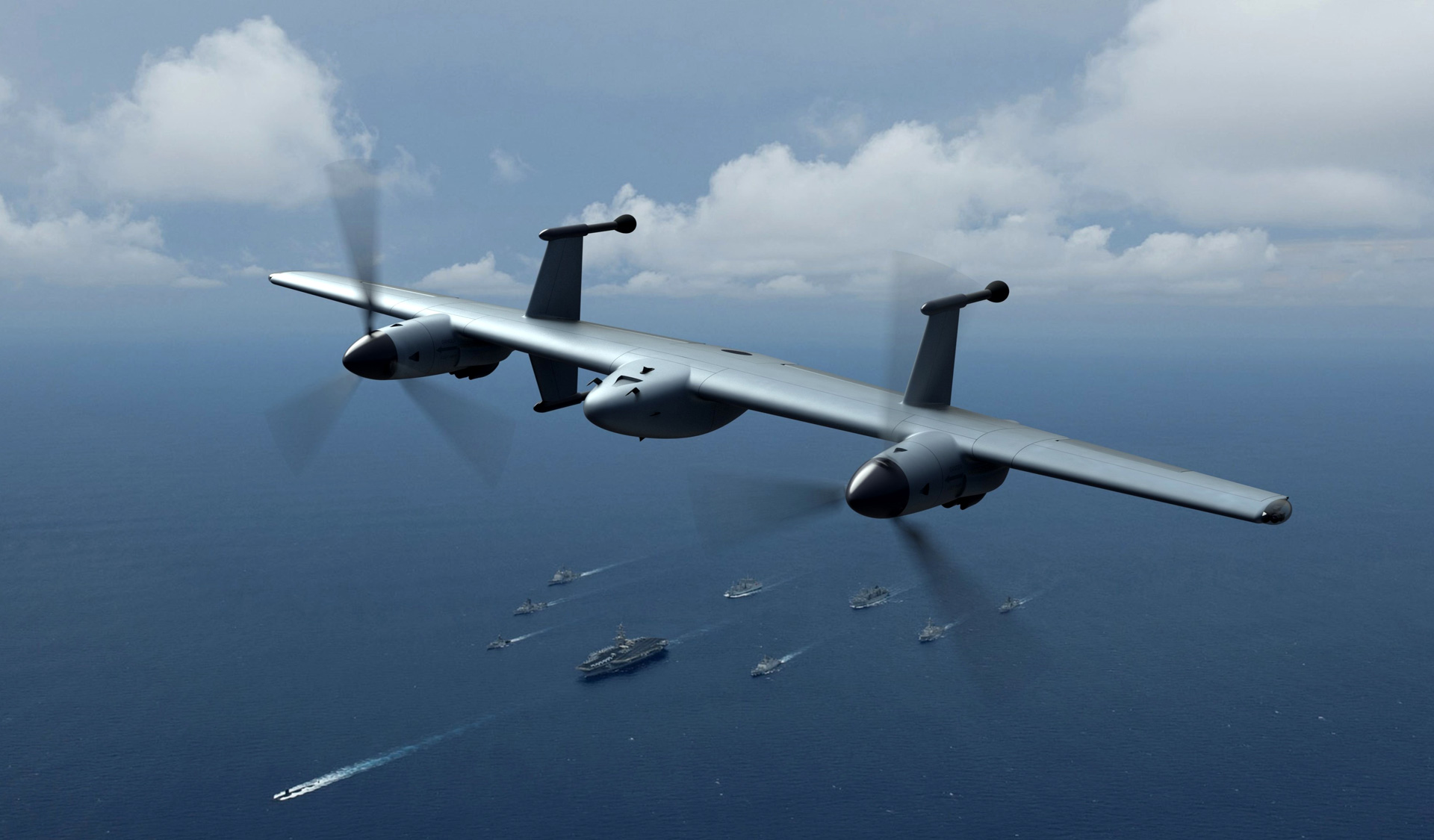

Lockheed Martin’s Sikorsky has introduced a new family of next-gen vertical takeoff and landing (VTOL) drones that merges traits of a helicopter and a fixed-wing aircraft.
Called the Nomad, the drones integrate the company’s MATRIX autonomy tech, an open system co-developed with the Defense Advanced Research Projects Agency for use across both rotary and fixed-wing platforms.
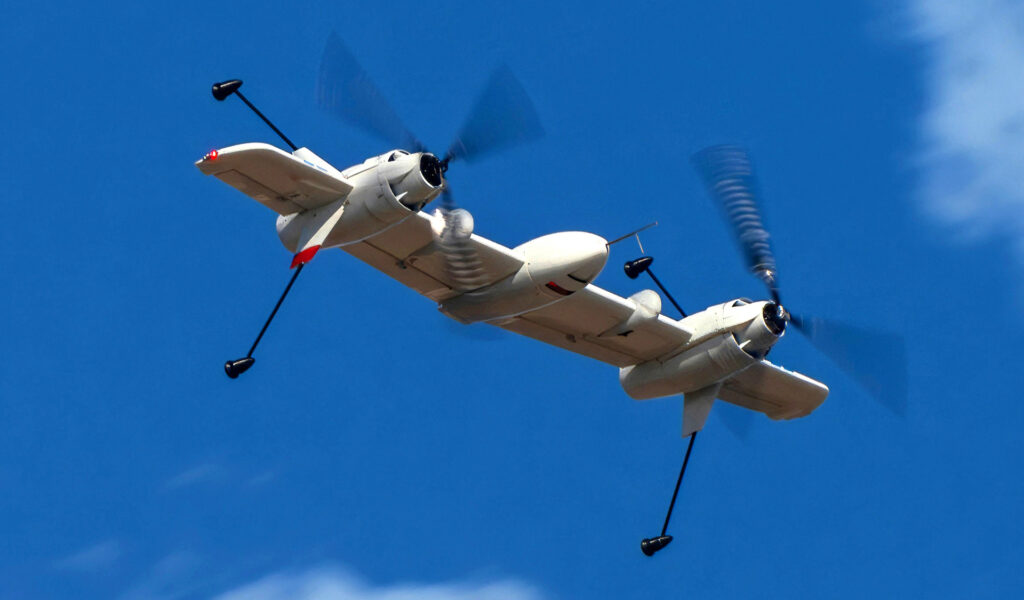
With a twin-proprotor setup, they combine the versatility of a helicopter with the speed and range of a plane, allowing for vertical takeoff and landing, hovering, and efficient cruising on long missions.
The drones primarily use hybrid-electric propulsion for greater fuel efficiency, though larger variants rely on conventional drivetrains.
“Nomad represents new breakthroughs for Sikorsky and the next generation of autonomous, long-endurance drones,” said Dan Shidler, director of Advanced Programs at Lockheed.
“We are acting on feedback from the Pentagon, adopting a rapid approach and creating a family of drones that can take off and land virtually anywhere and execute the mission – all autonomously and in the hands of soldiers, marines, sailors, and airmen.”
Future Variants
In March, Sikorsky completed extended flight tests of its Nomad 50 demonstrator, featuring a 10.3-foot (3-meter) wingspan.
The company is now building the Nomad 100, a Group 3 unmanned aircraft with an extended 18-foot (5.5-meter) wingspan, expected to make its first flight in the coming months.
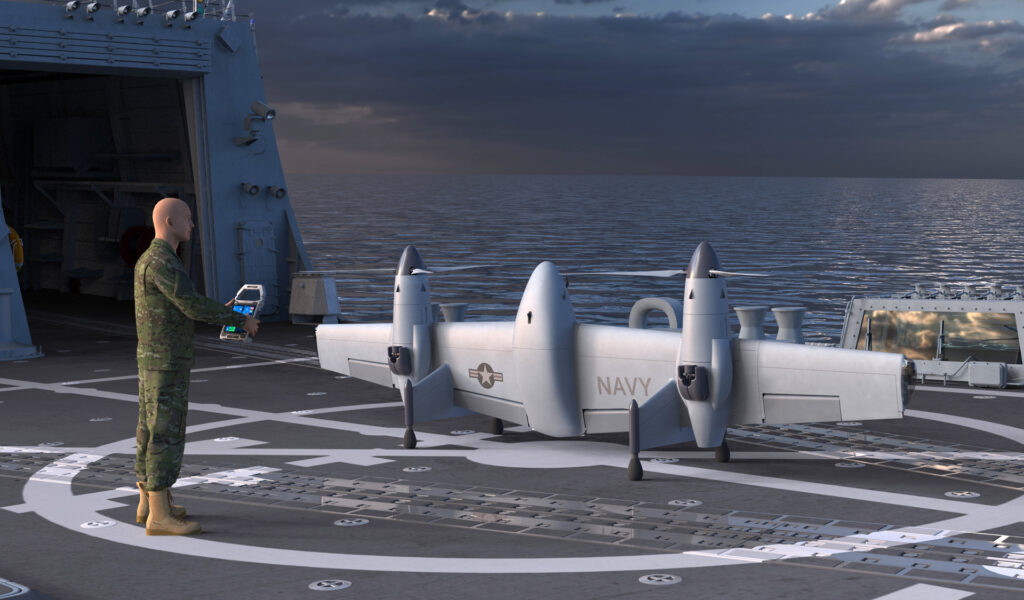
The Nomad family will span Group 3 to Group 5 categories, from lighter systems weighing 56 to 1,320 pounds (25 to 600 kilograms) to larger models exceeding 1,320 pounds (600 kilograms).
These VTOL drones will support a range of missions, including reconnaissance, light attack, and contested logistics.
“We use the term ‘family’ to point to a key attribute of the design; its ability to be scaled in size from a small Group 3 UAS to the footprint equivalent of a Black Hawk helicopter,” added Rich Benton, Sikorsky vice president and general manager.
“The resulting Nomad family of drones will be adaptable, go-anywhere, runway independent aircraft capable of land and sea-based missions.”