The US Army has awarded New York-based Innovative Rocket Technologies (iRocket) a contract valued between $30 million and $150 million to support production of next-generation counter-unmanned aerial system (C-UAS) weapons.
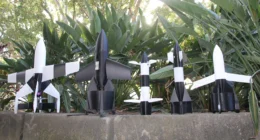
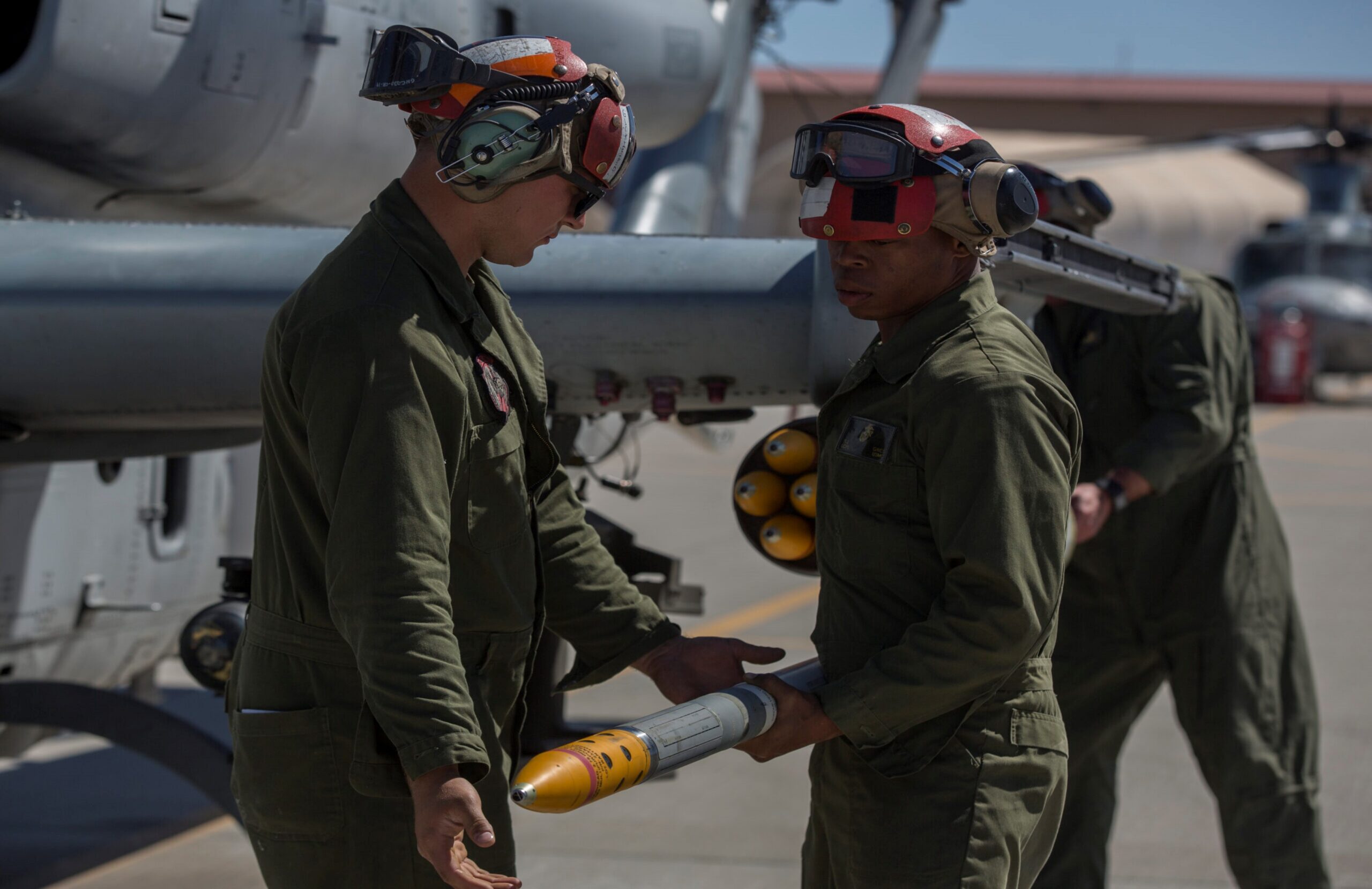
The deal centers on manufacturing the Hydra 70 rocket, a system positioned as an “affordable and scalable” alternative to the AGM-114 Hellfire missiles commonly deployed on attack helicopters.
Hydra is regarded as a “middle ground” solution, incorporating laser guidance to deliver precision strike capability against increasingly advanced aerial threats.
Changing Battlefield ‘Equation’
iRocket said its role in the Hydra 70 project is backed by its “Factory ONE of the Future” model, which uses robotics, automated machinery, and digital tools to accelerate production of guided rocket components and other C-UAS capabilities.
That approach is expected to expand output and shorten production timelines as demand rises across modern battlefields, including in Iran where drone strikes are persistent.
iRocket CEO Asad Malik explained that the company can build one propellant in five minutes and prepare up to 97,000 units per year, creating a more flexible supply chain “that ensures warfighters have access to the systems they need.”
“This award reflects a vital shift in how modern conflicts are being fought and won,” he said. “Our forces are facing increasingly asymmetric threats, where low-cost drones are being deployed at scale, and the traditional response model is no longer sustainable.”
“At iRocket, we are focused on changing that equation — delivering precision-guided rocket capabilities that are … produced at the speed and volume today’s operational environment demands.”